How to Convince Your Partner That Baby Proofing Matters

Most couples don’t fight about baby proofing. One partner just quietly stops bringing it up.
If you’re the one who researched outlet covers at midnight while your partner shrugged and said "we’ll get to it," this is for you. Getting on the same page about home safety is less about winning an argument and more about finding the right entry point for the conversation your family needs to have.
Why the Disagreement Happens in the First Place
Risk perception is deeply personal. How you assess danger is shaped by how you grew up, what you’ve read, what you’ve witnessed, and honestly, how much sleep you’ve gotten this week. A partner who grew up in a house with no cabinet locks and no stair gates isn’t being reckless when they say "we turned out fine." They’re drawing on their actual lived experience.
The problem is that survivorship bias is a terrible safety advisor. The kids who fell down stairs or got into cleaning products under the sink don’t show up in your partner’s childhood memories. They show up in emergency room data.
Acknowledging that your partner isn’t wrong to feel skeptical, and that their instincts come from a real place, is the fastest way to get them listening instead of defending. Start there. Not with statistics. Not with "you don’t care about our child’s safety." Just: "I get that this feels like a lot. Can we look at the actual risks together?"
Start With a Room-by-Room Walkthrough
The AAP recommends a room-by-room safety audit before your child becomes mobile, covering fall hazards, choking risks, and access to medications or chemicals. The word "audit" sounds clinical, but the actual task is simple: walk through your home together and look at it from floor level.
This is where reluctant partners often shift. Abstract risk is easy to dismiss. A bottle of Tylenol on the bottom shelf of the bathroom cabinet, directly at the height your eight-month-old will reach in four months, is not abstract. It’s right there.
When my younger daughter was about nine months old, I left her in the living room to answer the doorbell. By the time I got back, she had emptied the entire under-sink cabinet. Dish soap, a sponge, a bottle of drain cleaner. All of it on the kitchen floor. The whole thing took maybe ninety seconds. Telling that story to a skeptical partner is more useful than any pamphlet.
Do the walkthrough together. Make it a shared task, not a lecture.


The Numbers That Matter
You don’t need to overwhelm your partner with data. But a few specific numbers land differently than vague warnings.
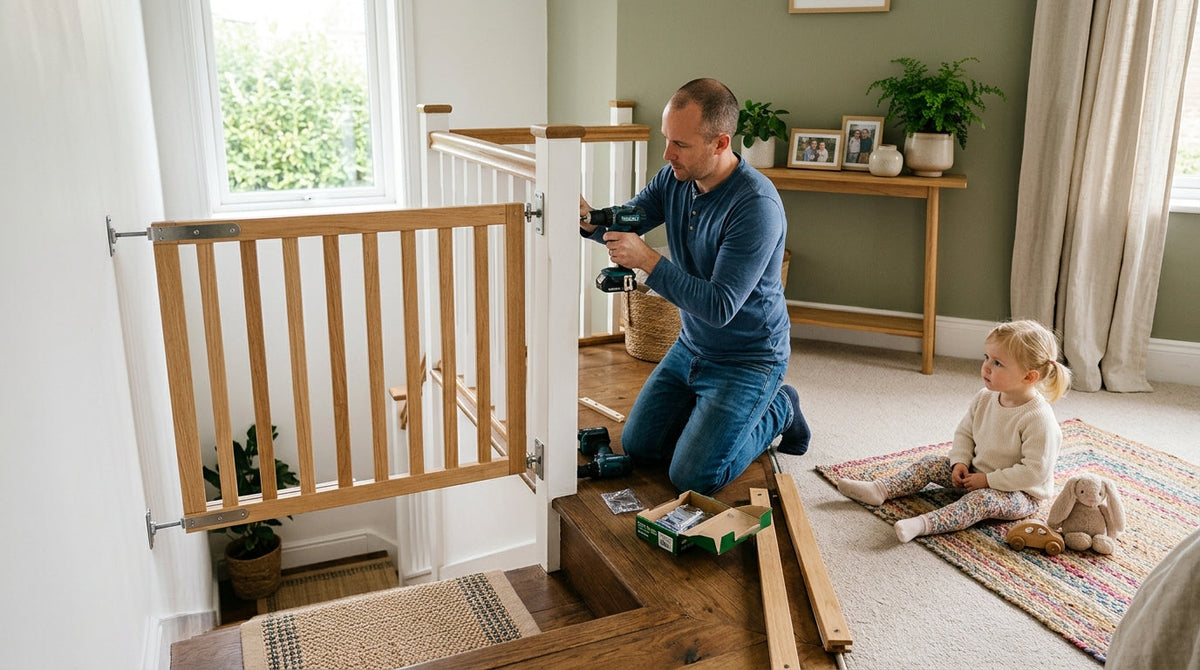
Stair falls send roughly 93,000 children under 5 to U.S. emergency rooms each year, according to Nationwide Children’s Hospital’s analysis of CPSC NEISS data. That’s close to one child every six minutes. Stair gates are not paranoia. They’re a response to a documented, common hazard.
Drowning is a leading cause of unintentional injury death in young children, and it happens silently. There’s no splashing, no calling out. A toilet, a bathtub, a bucket of mop water. These are the hazards parents don’t think about until they have to. Toilet locks, consistent bathtub supervision, and pool barriers are not excessive. They address a real and quiet danger.
Poisoning from medications, cleaning products, and supplements is another common reason for emergency calls involving young children. Walking through your medicine cabinet and under-sink storage together makes the hazard visible rather than theoretical. Cabinet locks on those two areas alone address a significant share of poisoning risk in most homes.
Baby Proofing by Developmental Stage
Before rolling
Secure crib, anchor tall furniture, cover unused outlets.
Before crawling
Lock under-sink cabinets, secure medications, install stair gates.
Before pulling to stand
Anchor bookshelves and dressers, add corner guards, check toilet locks.
Before walking
Review all gates, add door knob covers, reassess kitchen hazards.
Address the "It Looks Bad" Objection Directly
Some partners aren’t skeptical about safety. They’re skeptical about aesthetics. They picture a home that looks like a padded cell, with foam corners on every surface and plastic contraptions on every drawer.
This is a fair concern and worth taking seriously. Baby proofing has gotten better looking. Outlet covers sit flush and nearly invisible. Many stair gates come in matte black or brushed metal finishes that read as design choices, not emergency measures. Furniture anchors are hidden behind the piece entirely.
If your partner’s resistance is partly aesthetic, shop together. Let them pick the gate. Let them choose between two cabinet lock styles. Giving someone a real decision in the process changes their relationship to the outcome.
When Standards Come Up, Use Them
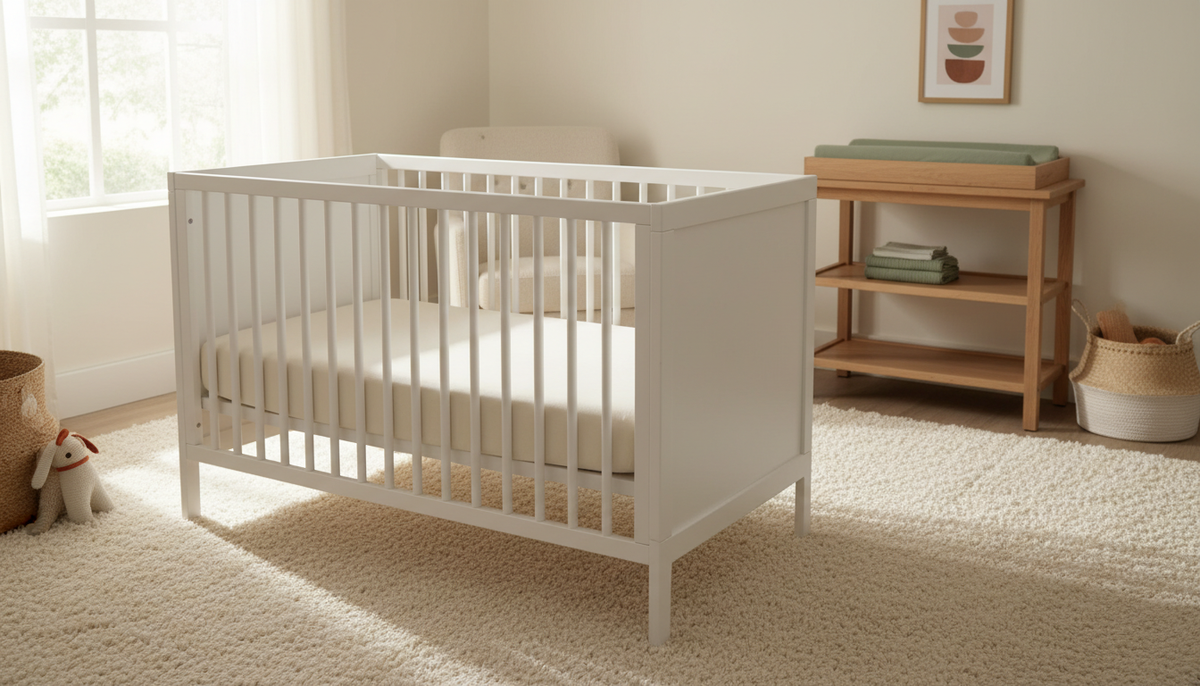
Partners who respond to evidence and regulation often respond well to knowing that baby proofing products are not guesswork. The gate you’re installing meets ASTM F1004, the federal safety standard for expansion gates and expandable enclosures, made mandatory under 16 CFR Part 1239, effective 2021. The crib your baby sleeps in meets federal standards that didn’t exist a generation ago.
This framing helps with the "we turned out fine" objection too. The products available now are better than what existed when your partner was a child. The standards are higher. That’s not a criticism of their upbringing. It’s just true.
Divide the Work, Don’t Assign It
One of the most effective things I’ve found is splitting tasks by preference or physical skill rather than defaulting to one parent handling everything. My older daughter defeated an adhesive strap lock when she was about 26 months old, which taught me that installation quality matters as much as product choice. Furniture anchoring, in particular, requires finding studs and using the right hardware. If your partner is more comfortable with a drill, that’s their task. If you’re better at reading installation instructions, that’s yours.
Shared ownership of the process changes the dynamic. A partner who installs the stair gate is no longer a skeptic you had to convince. They’re someone who built something that protects their child.
Use Milestones as Deadlines
"We’ll get to it eventually" is how baby proofing gets delayed until after the first fall.
Developmental milestones are your timeline. Before rolling. Before crawling. Before pulling to stand. Each of these is a concrete, predictable event that changes what your child can reach, climb, and get into. Framing the conversation around milestones removes the open-ended procrastination loop and gives a reluctant partner a clear, reasonable deadline.
"She’s going to start pulling to stand in the next few weeks. Can we get the furniture anchors done before that?" is a much easier conversation than "we really need to baby proof the house."
Common Questions About Getting Your Partner on Board
What if my partner thinks I’m being overprotective?
How do I start the conversation without it turning into a fight?
My partner hates how baby proofing looks. What can I do?
When is the right time to start baby proofing?
What if my partner still won’t engage after we’ve talked?
Do we have to do everything at once?
When You’re Still Not Getting Through
If direct conversation keeps stalling, bring in a third voice. An AAP-affiliated child safety class, a video from HealthyChildren.org, or even a conversation with your pediatrician at the next well visit can shift the dynamic. It’s not that your concerns aren’t valid. It’s that hearing the same concern from a different source sometimes lands differently, and that’s okay.
Your pediatrician wants this conversation. Ask them to walk through home safety at your next appointment. Most will.
Start Small and Build
You don’t have to do everything at once. Agree on the highest-priority hazards first: stairs, crib safety, access to medications and cleaning products. Get those done together. Early wins on shared goals create momentum, and momentum is what turns a reluctant partner into an active one.
The goal isn’t a perfectly baby-proofed home by next Tuesday. It’s a partner who understands why this matters and is working on it with you.