
Read About Baby Fences
Baby Fence Solutions for Safer Spaces
A baby fence is designed to create enclosed areas that help protect infants and toddlers from hazards while allowing freedom to play and explore. Baby gate fences and child safety fences are commonly used both indoors and outdoors to define boundaries, manage movement, and support supervised independence.
Types of Baby and Child Safety Fences
Baby fences come in a wide range of styles to suit different environments, age groups, and safety needs.
Indoor Play and Soft Fences
Indoor baby fences include soft play fences, plastic play yard fences, and toddler fences designed to create safe play zones inside the home.
- Best for: supervised indoor play areas
- Advantages: lightweight and easy to reconfigure
- Considerations: not designed to block climbing
Outdoor Safety Fences for Kids
Outdoor safety fences for kids are used to block access to driveways, yards, patios, and play areas. These fences are built to handle outdoor conditions.
Retractable and Mesh Safety Fences
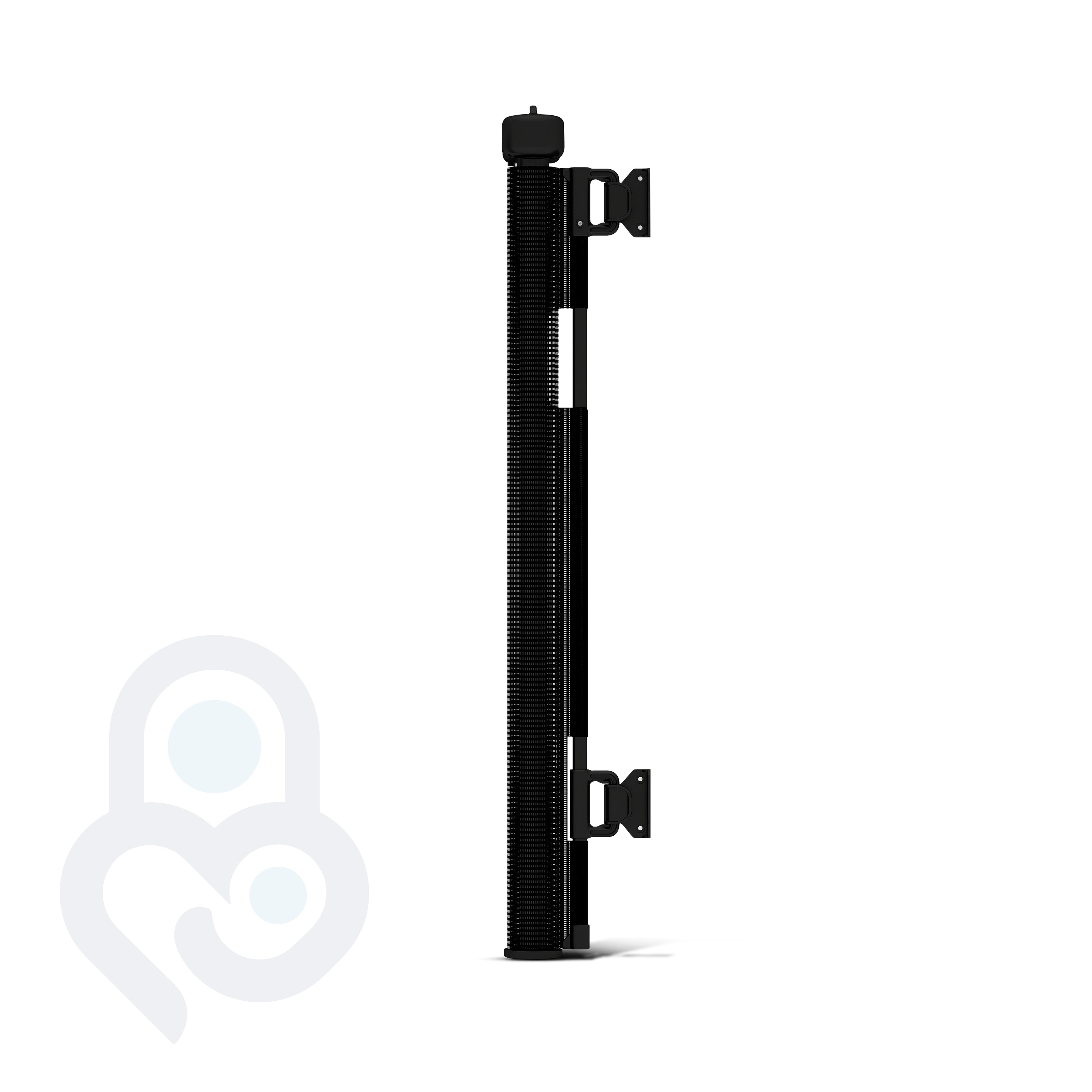
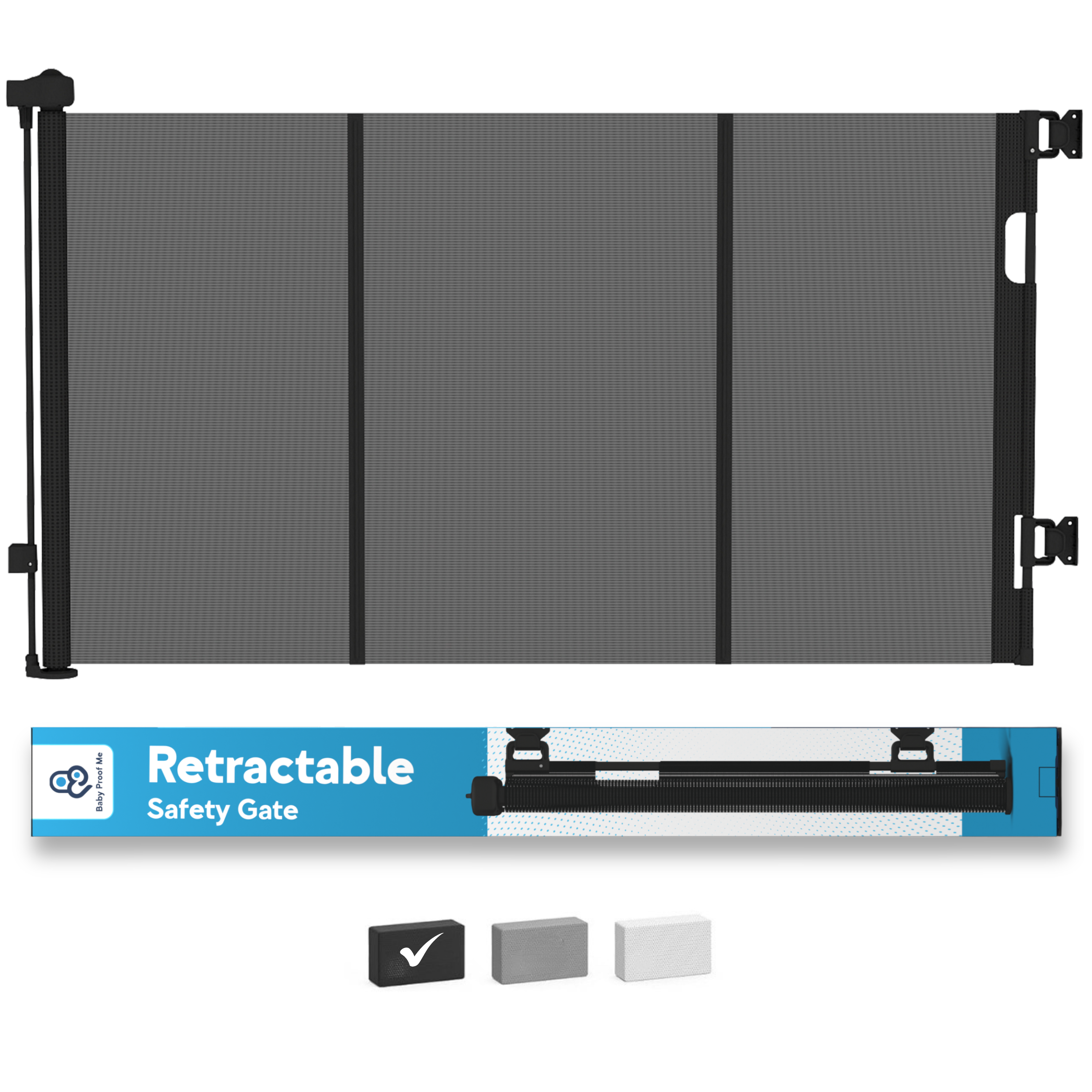
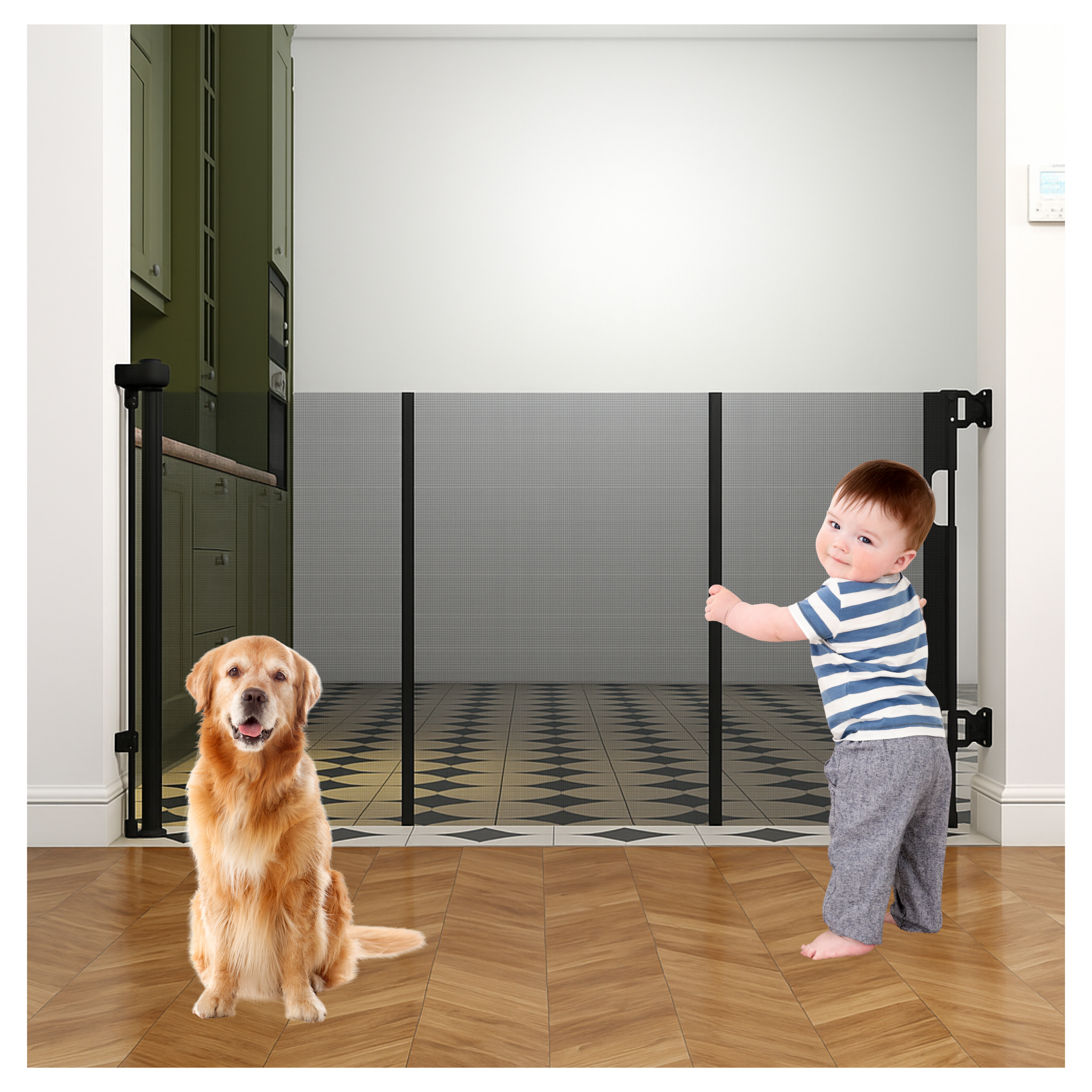
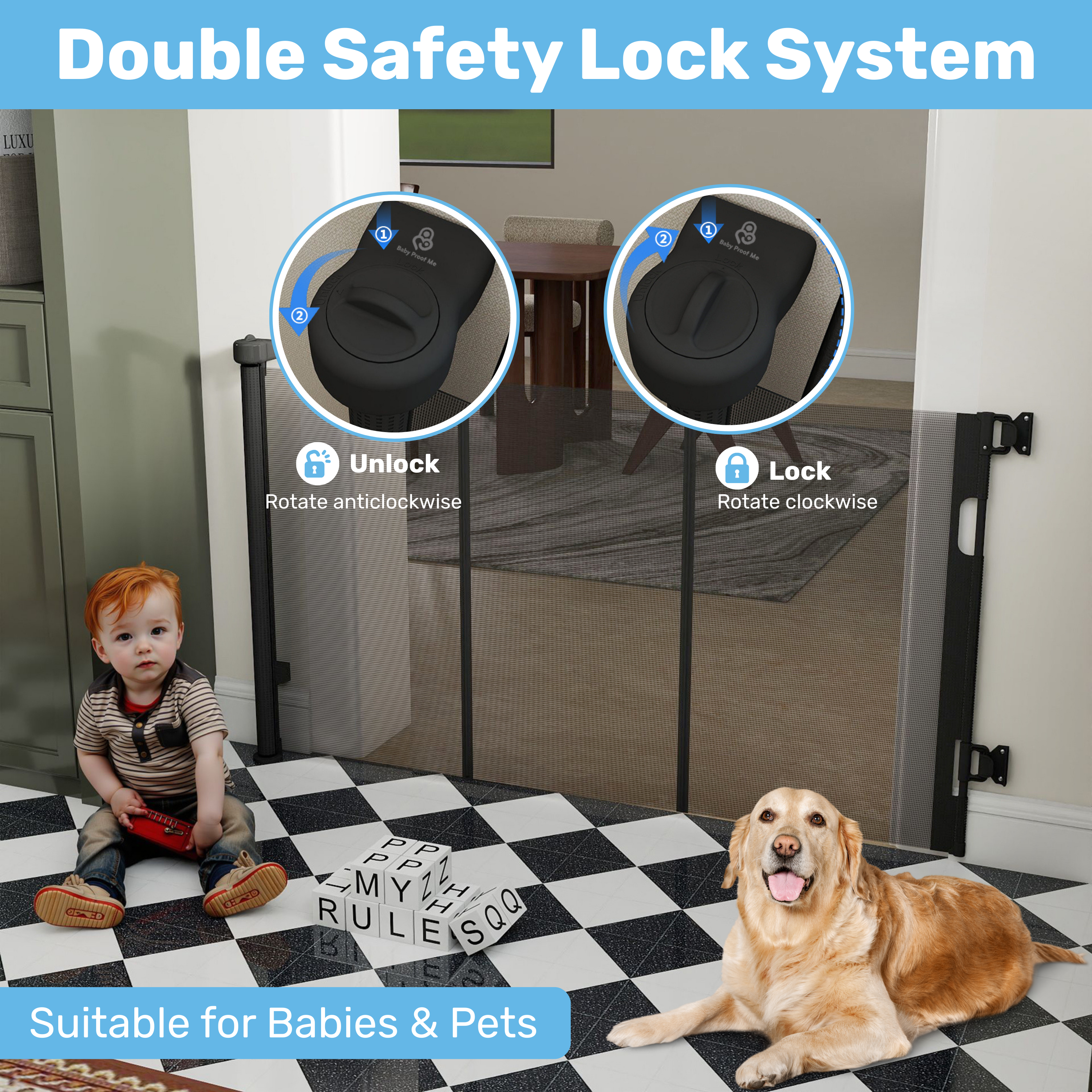
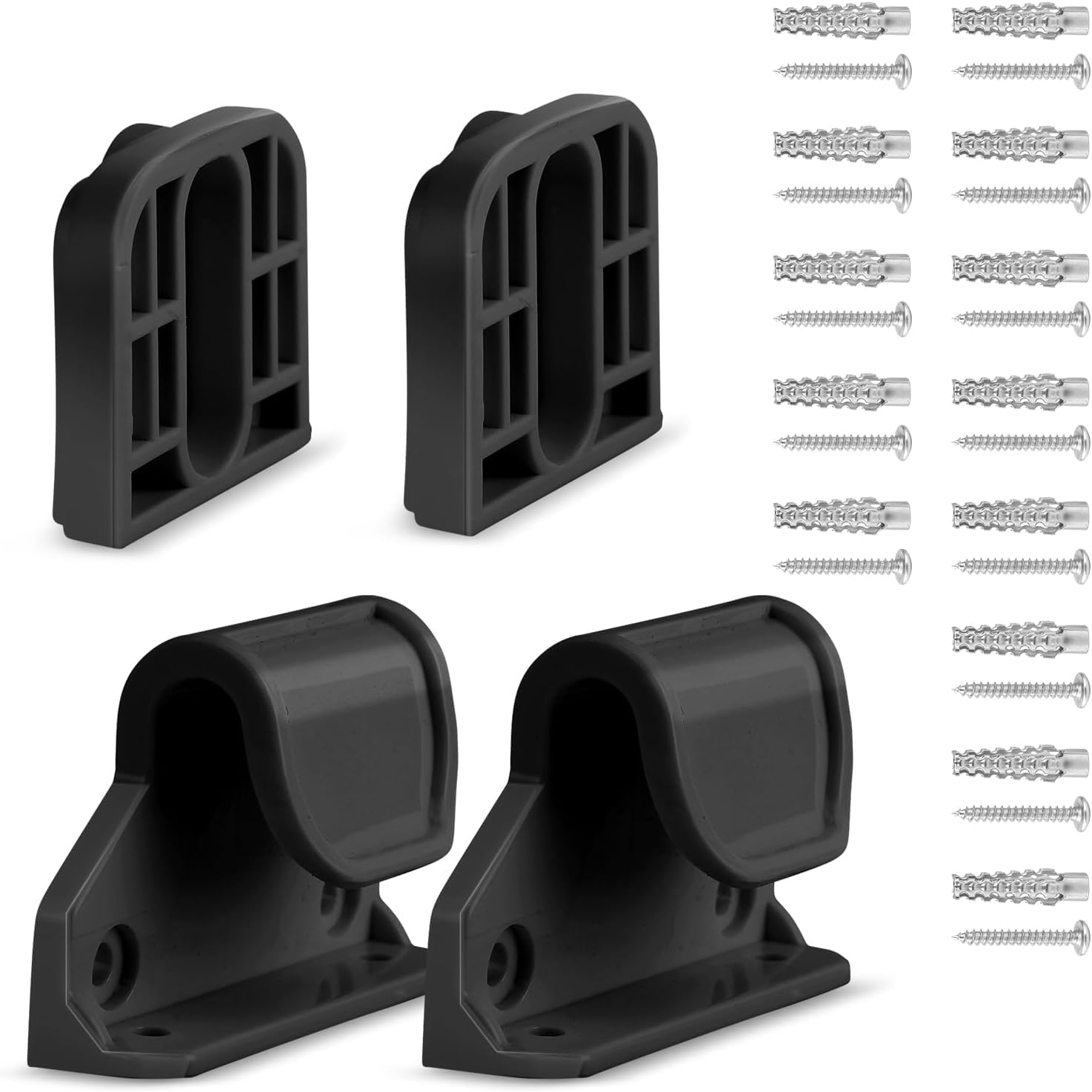
Retractable safety fences and retractable mesh fences extend when needed and roll away when not in use. They are commonly used for doorways, driveways, and outdoor transitions.
Bed and Door Safety Fences
Baby fenced beds and child safety bed fences help prevent falls during sleep, while door fences control access between rooms.
Why Baby Fences Are Important
Creating Safe Zones for Play
Baby fences help define areas where children can play safely while staying within sight of caregivers.
Preventing Access to Hazardous Areas
- Keeps children away from stairs, driveways, and outdoor hazards
- Helps manage open floor plans
- Supports safer daily routines
How to Choose the Right Baby Fence
Location and Purpose
Consider whether the fence will be used indoors, outdoors, or both. The purpose may range from play containment to hazard blocking.
Materials and Design
Baby fences are made from plastic, mesh, metal, or padded materials depending on intended use and durability requirements.
Size and Configuration
Modular and adjustable fence systems allow parents to customize layouts for different spaces and growing children.
Baby fences are most effective when they are used to create clear boundaries while allowing active supervision and safe exploration.
Installation, Use, and Maintenance
Setup Considerations
- Place fences on flat, stable surfaces
- Ensure panels are securely connected
- Avoid gaps that allow climbing or squeezing through
Ongoing Safety Checks
Inspect baby fences regularly for loosened panels, wear, or damage, especially in outdoor or high activity areas.
Creating Flexible and Safe Child Spaces
Baby fences provide adaptable solutions for managing child safety across a variety of environments. By selecting a fence that matches the intended space, setting it up carefully, and monitoring its condition over time, families can create safer areas that support both protection and play.
Frequently Asked Questions About baby fence
What is the difference between a baby fence and a baby gate?
A baby fence typically encloses a larger area, while a baby gate is designed to block a single opening or passage.
Are baby fences safe for toddlers?
Yes. Baby fences are commonly used for toddlers when set up correctly and used with supervision.
Can baby fences be used outdoors?
Many baby fences are designed for outdoor use, but materials should be suitable for weather exposure.
Do retractable safety fences work well?
Retractable fences are effective for flexible boundaries when installed and used according to guidelines.
When should a baby fence be introduced?
Baby fences are often introduced once a child begins crawling and exploring independently.