

Read About Sliding Cabinet Locks
Sliding Cabinet Door Lock Safety Overview
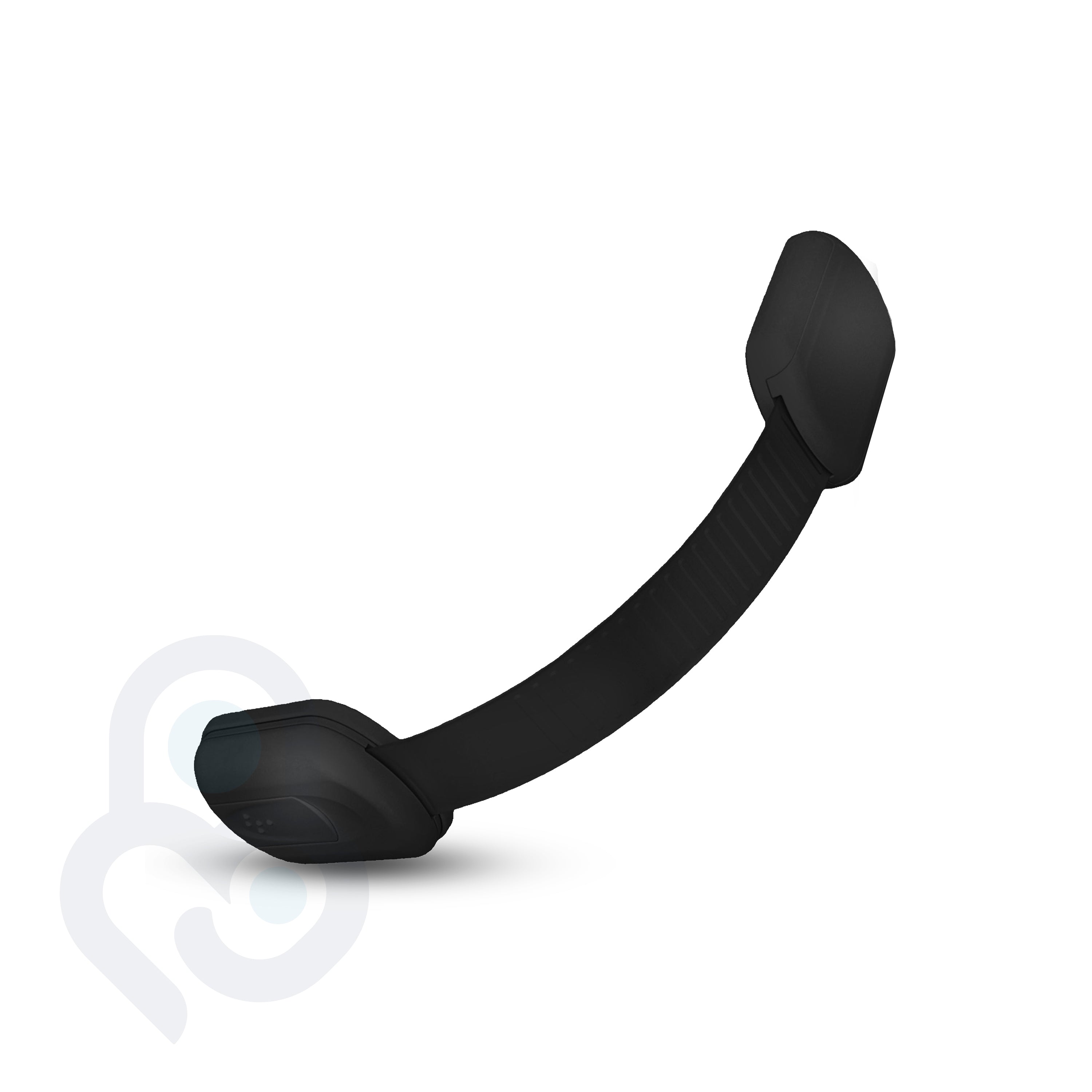
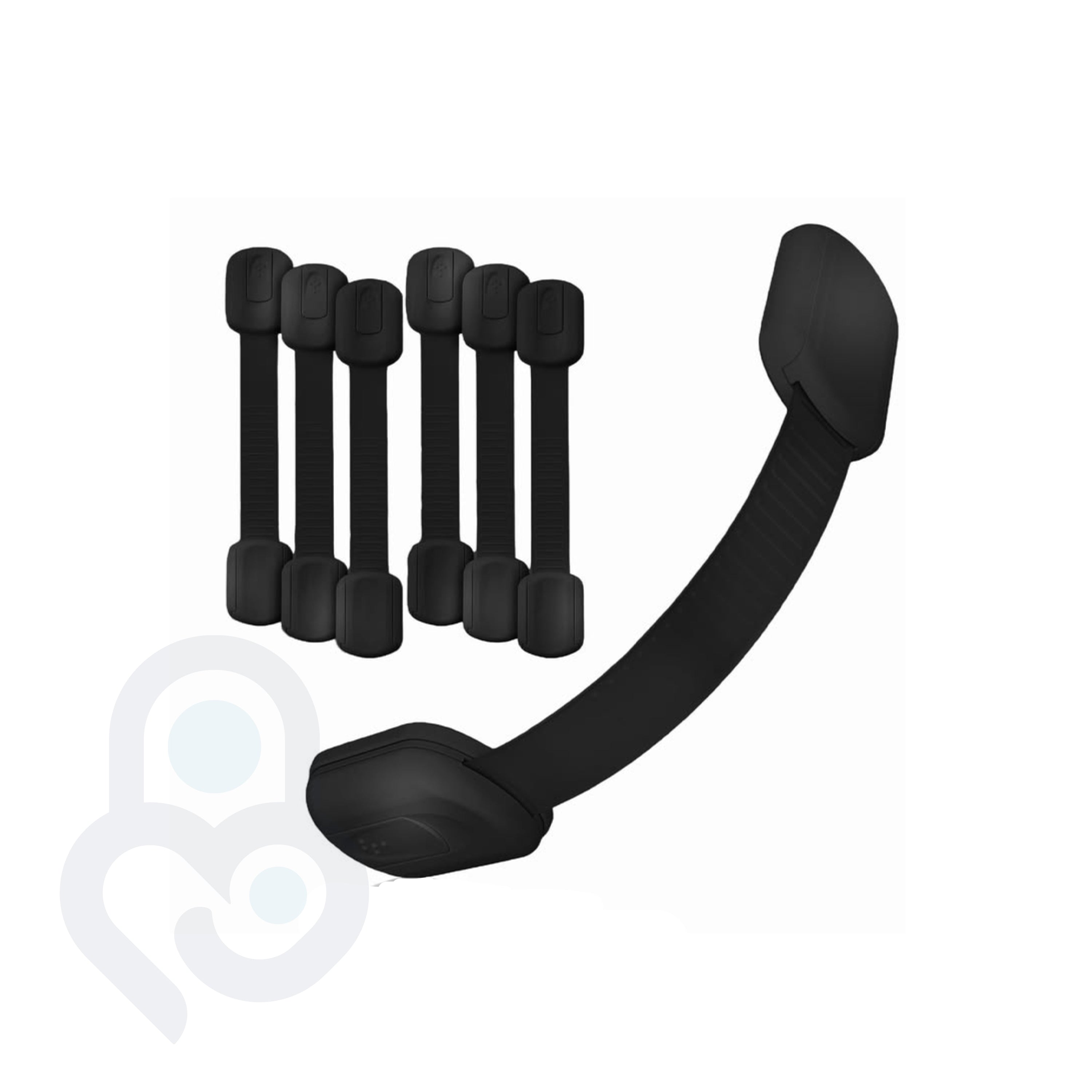
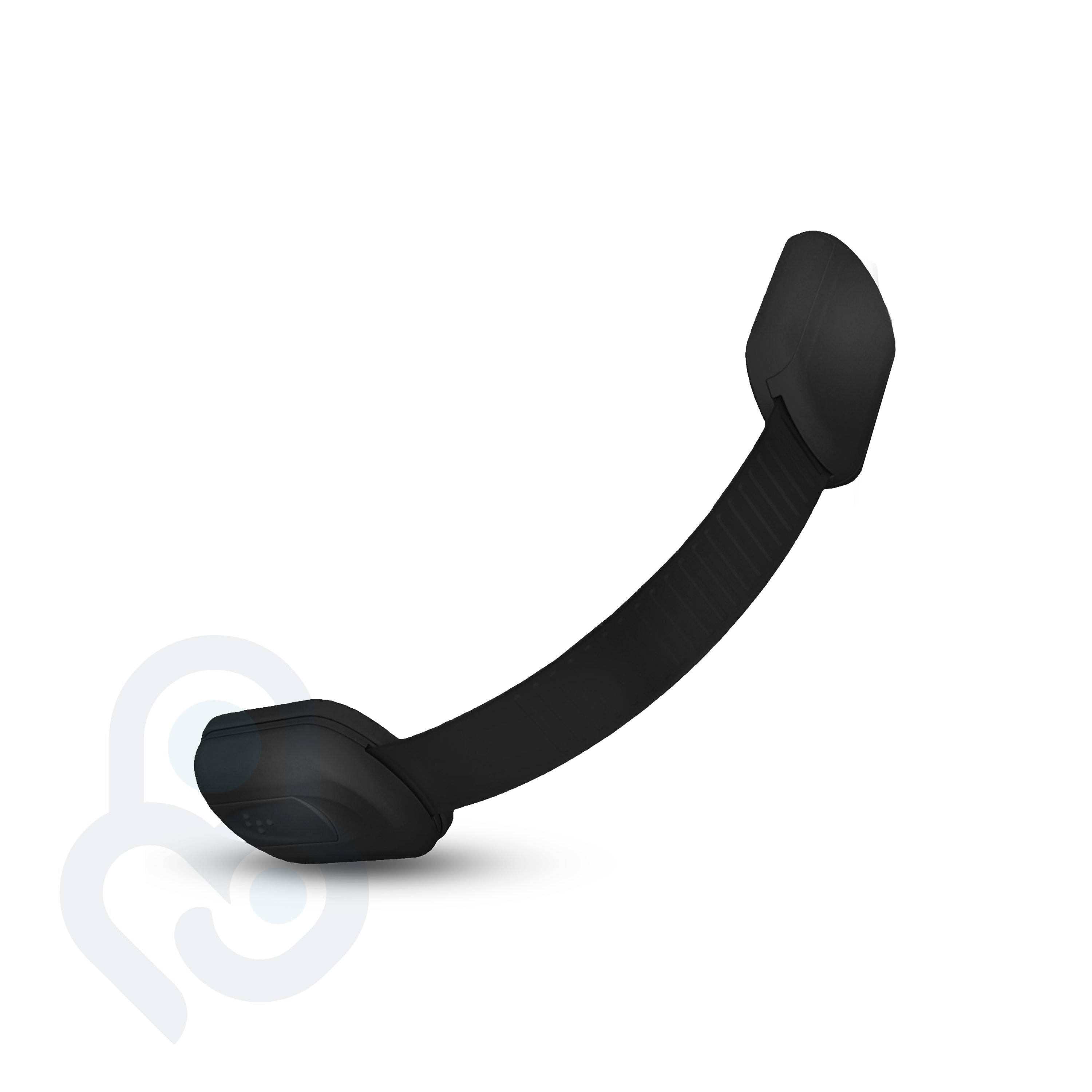
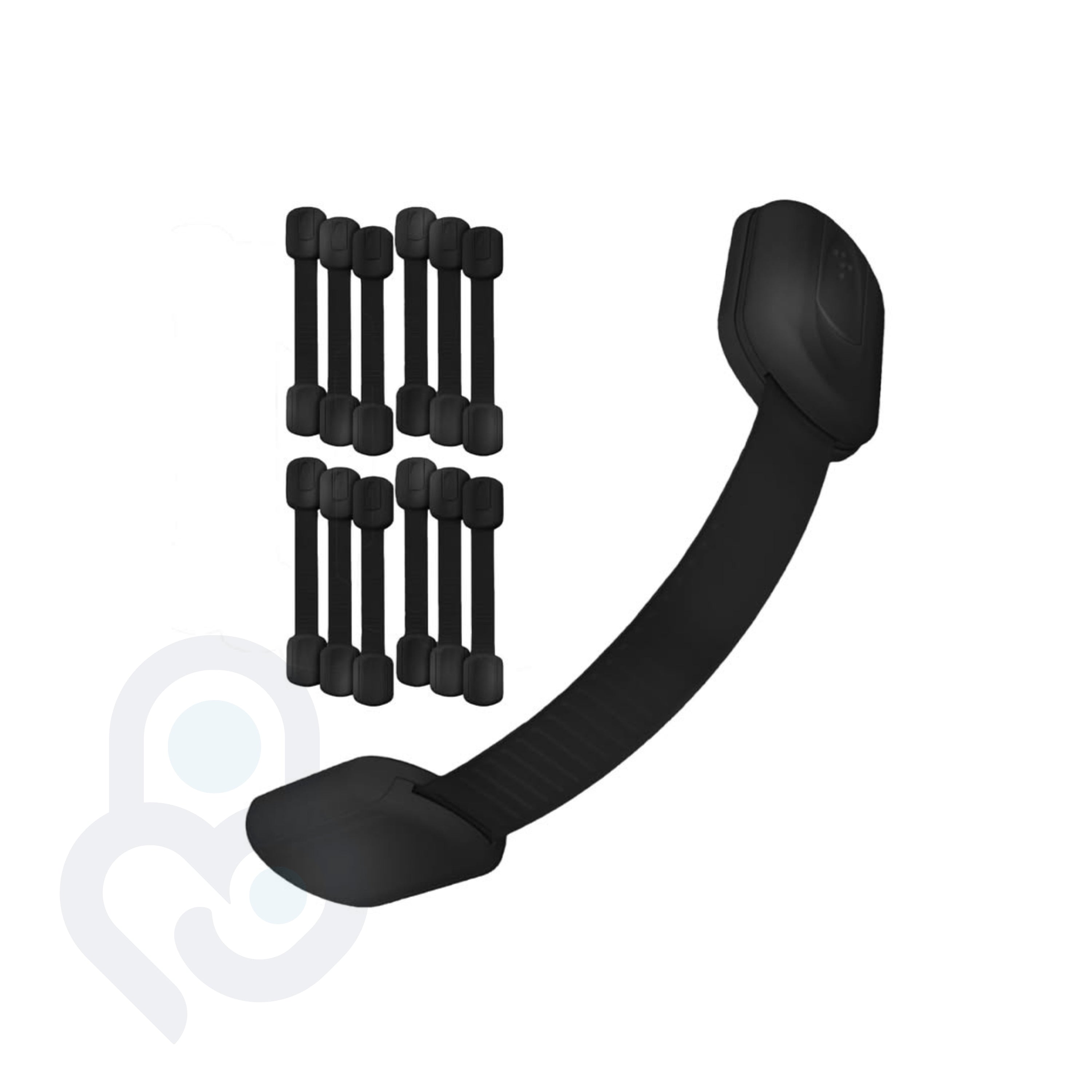
A sliding cabinet door lock is designed to secure cabinets with sliding or bypass doors, helping prevent unwanted access while keeping doors aligned and closed. These locks are commonly used for childproofing kitchens, bathrooms, and storage areas where traditional hinged cabinet locks are not compatible.
Types of Sliding Cabinet Locks
Sliding cabinet locks come in several styles to match different door designs and safety needs. Selecting the right option depends on cabinet construction and how often access is required.
Adhesive Sliding Cabinet Locks
Adhesive cabinet slide locks attach directly to the cabinet surface without drilling, making them suitable for renters or temporary setups.
- Best for: quick installation and rental homes
- Advantages: no tools required and easy removal
- Considerations: surface must be clean for reliable adhesion
Mechanical Cabinet Slide Locks
Mechanical sliding cabinet locks use a physical latch or clip that engages with the cabinet frame or door edge to prevent sliding.
Specialty Sliding Cabinet Door Locks
Some cabinets require specialized locks designed for mirrored doors, glass panels, or recessed tracks.
Why Locking Sliding Cabinets Matters
Child Safety and Access Risks
Sliding cabinet doors can be easy for children to open, giving them access to cleaning products, tools, or breakable items.
Protecting Cabinet Contents
- Prevents access to hazardous items
- Reduces breakage of stored objects
- Helps keep cabinet doors aligned
How to Choose the Right Cabinet Sliding Lock
Door Style and Track Compatibility
Sliding cabinets vary in track depth, overlap, and material. Measuring door thickness and track clearance helps ensure a proper fit.
Ease of Use for Adults
A well designed sliding cabinet lock should be simple for adults to operate while remaining difficult for children to defeat.
Temporary Versus Permanent Options
- Temporary locks: suitable for short term childproofing
- Permanent locks: provide stronger long term security
The most effective sliding cabinet door locks are those that fit the door style correctly and are used consistently as part of a broader child safety plan.
Installation, Use, and Maintenance
Surface Preparation
Clean cabinet doors and frames thoroughly before installation. Removing grease and dust improves adhesion and lock stability.
Installation Steps
- Test fit the lock before securing it
- Ensure doors are aligned before locking
- Allow adhesive to set before use
Ongoing Care and Adjustment
Periodically check the lock for alignment and tightness, especially if the cabinet is used frequently.
Key Takeaways for Sliding Cabinet Safety
Sliding cabinet door locks offer a practical solution for securing cabinets that traditional locks cannot handle. By choosing a lock designed for sliding doors, installing it correctly, and maintaining it over time, households can improve safety while preserving ease of use and cabinet appearance.
Frequently Asked Questions About Sliding Cabinet Door Lock
Do sliding cabinet locks really keep babies out?
Yes. When properly installed, they significantly reduce a baby’s ability to open sliding cabinet doors.
Can sliding cabinet locks be used on glass doors?
Some specialty locks are designed for glass or mirrored sliding doors and should be selected for those applications.
Will adhesive sliding cabinet locks damage cabinets?
Most are designed to be removable, but testing in a small area is recommended before full installation.
Are sliding cabinet locks easy for adults to open?
Well designed locks balance child resistance with simple adult operation.
When should sliding cabinets be childproofed?
Sliding cabinets should be locked as soon as children become mobile and curious about household storage areas.
Best Sellers


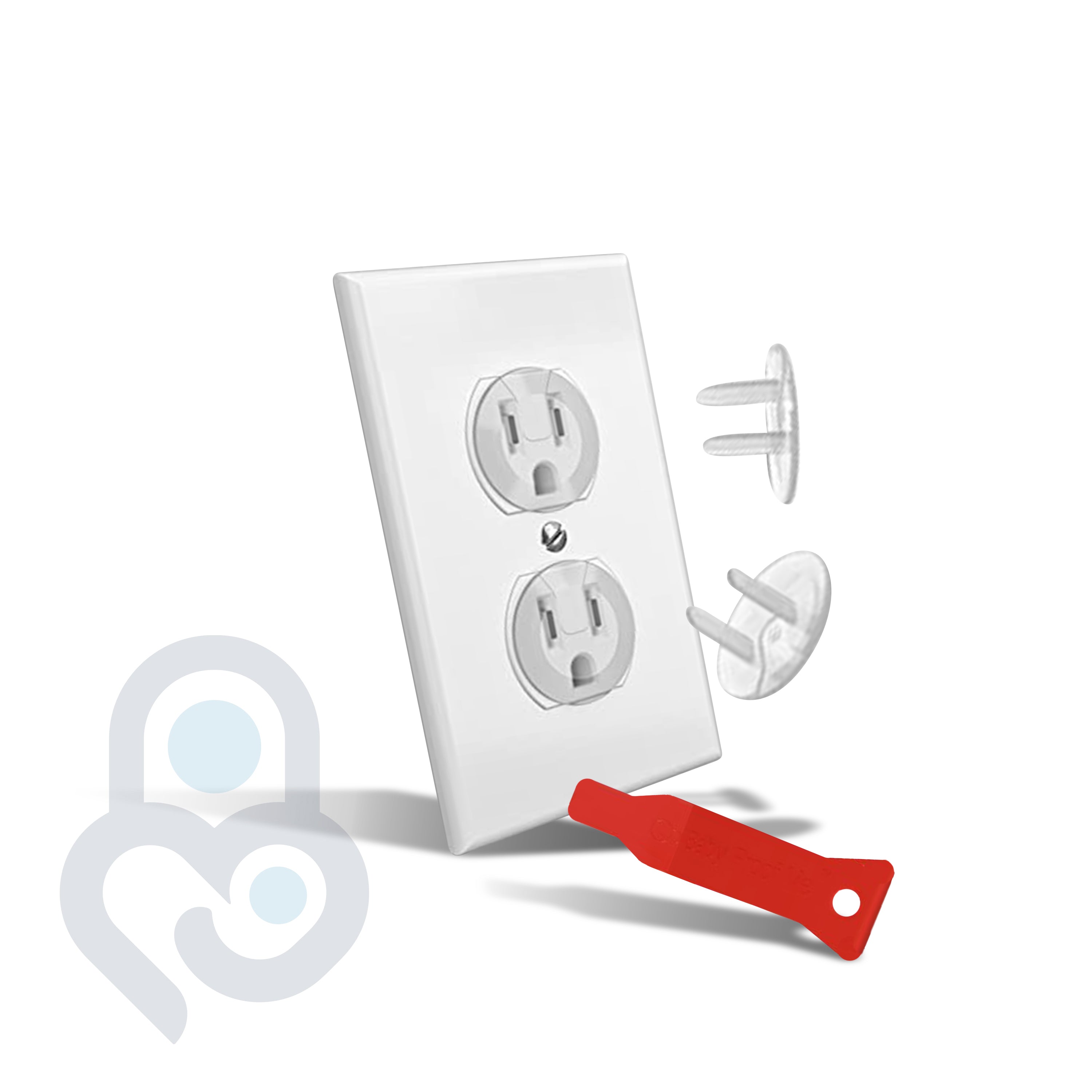
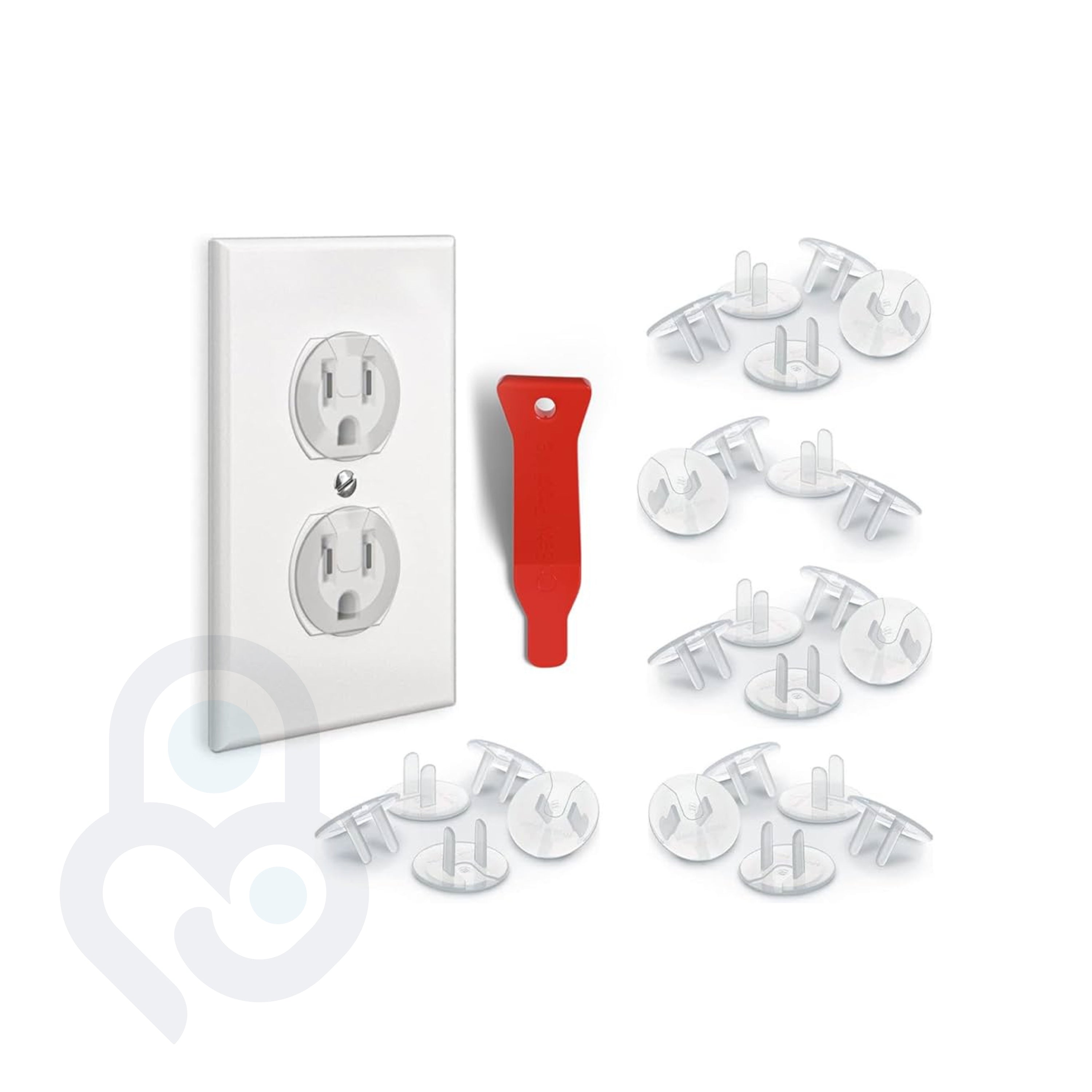
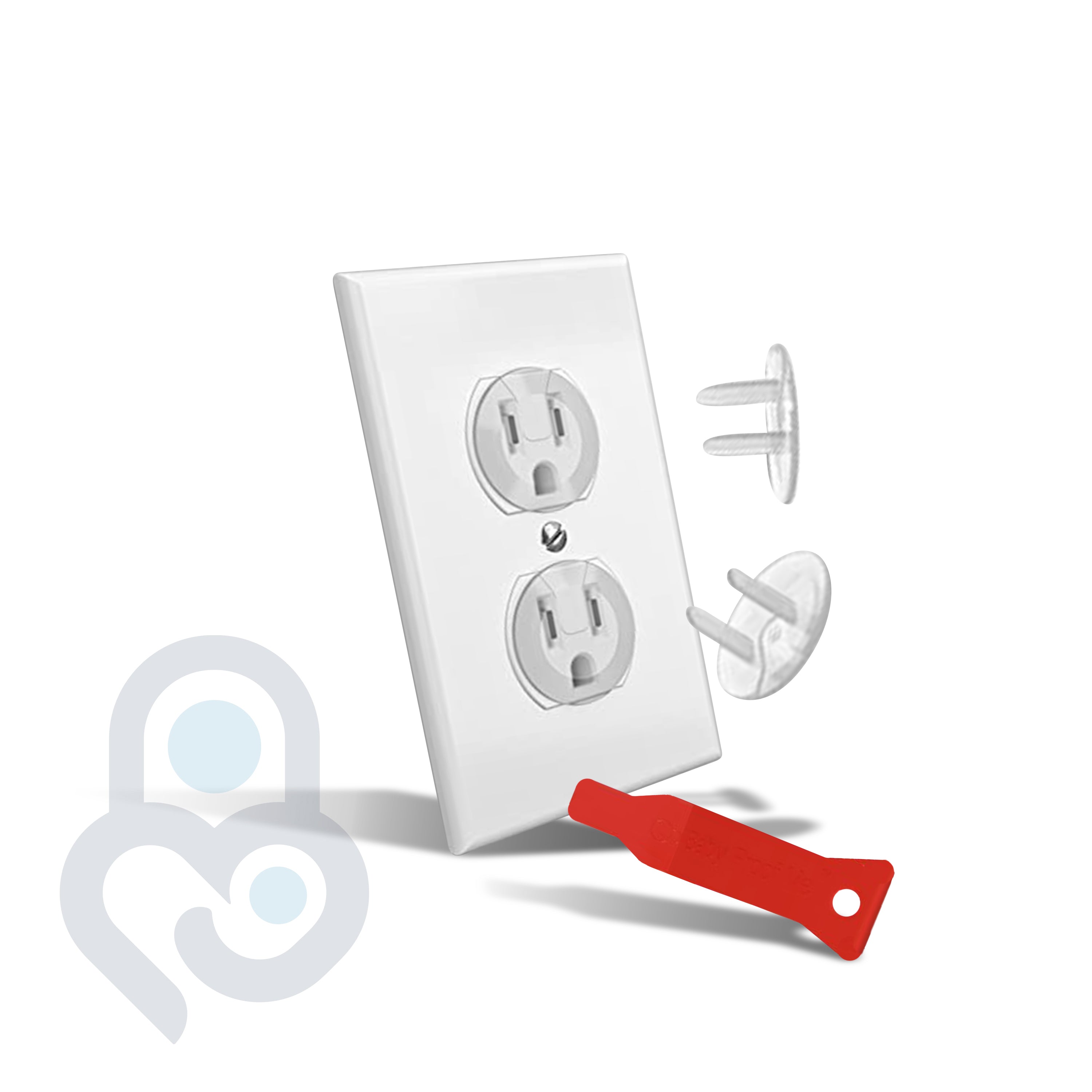
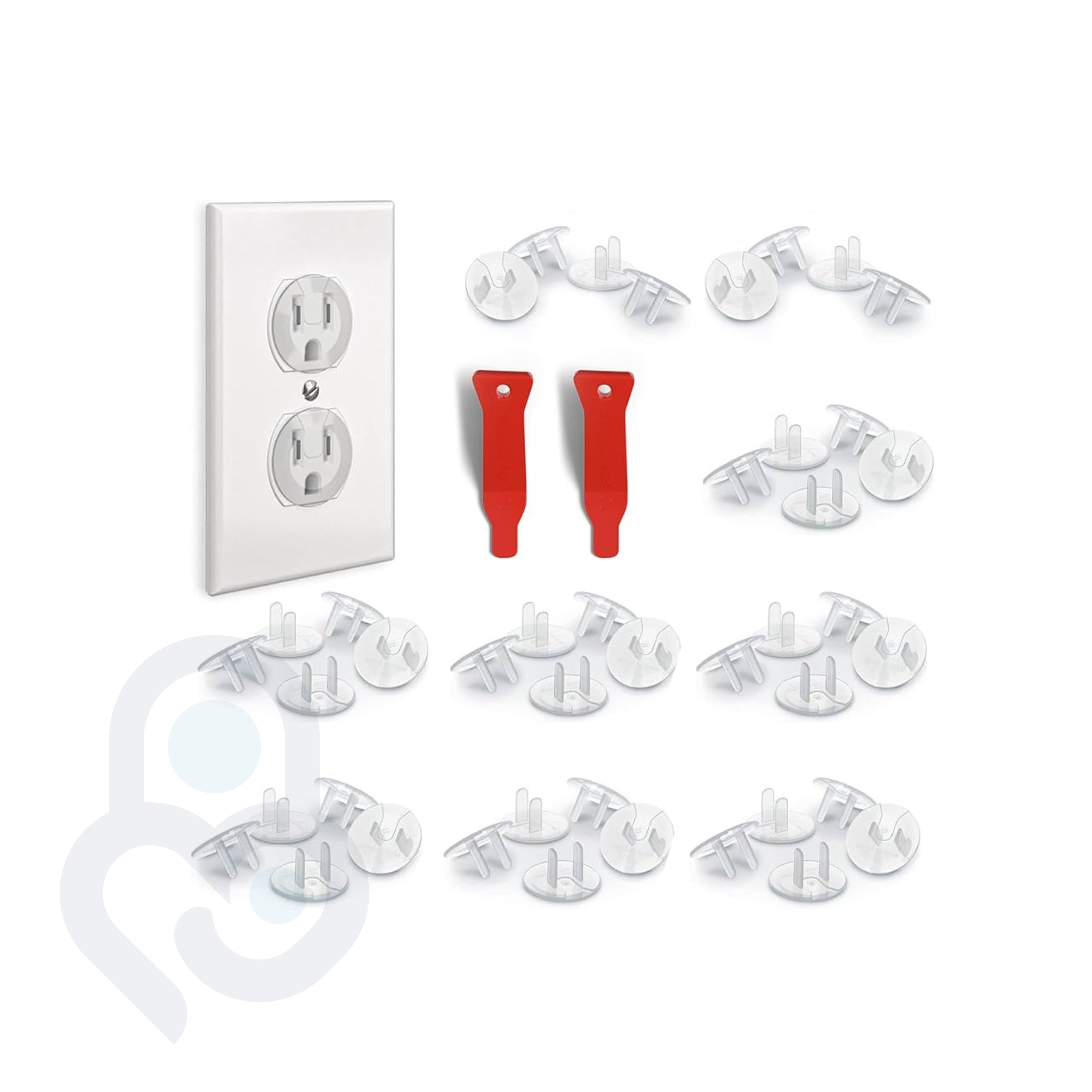
Electrical Outlet Plug Covers & Removal Tool
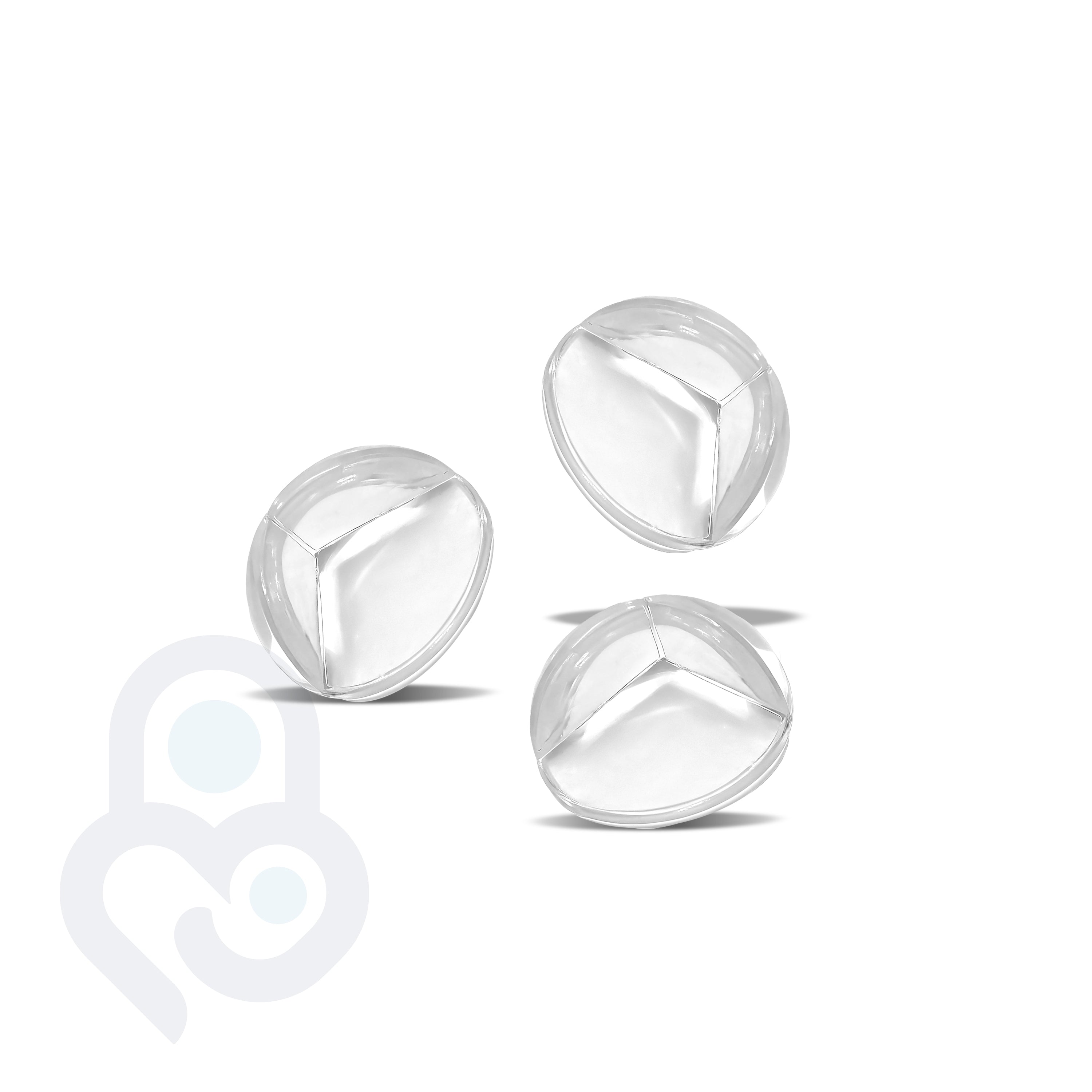
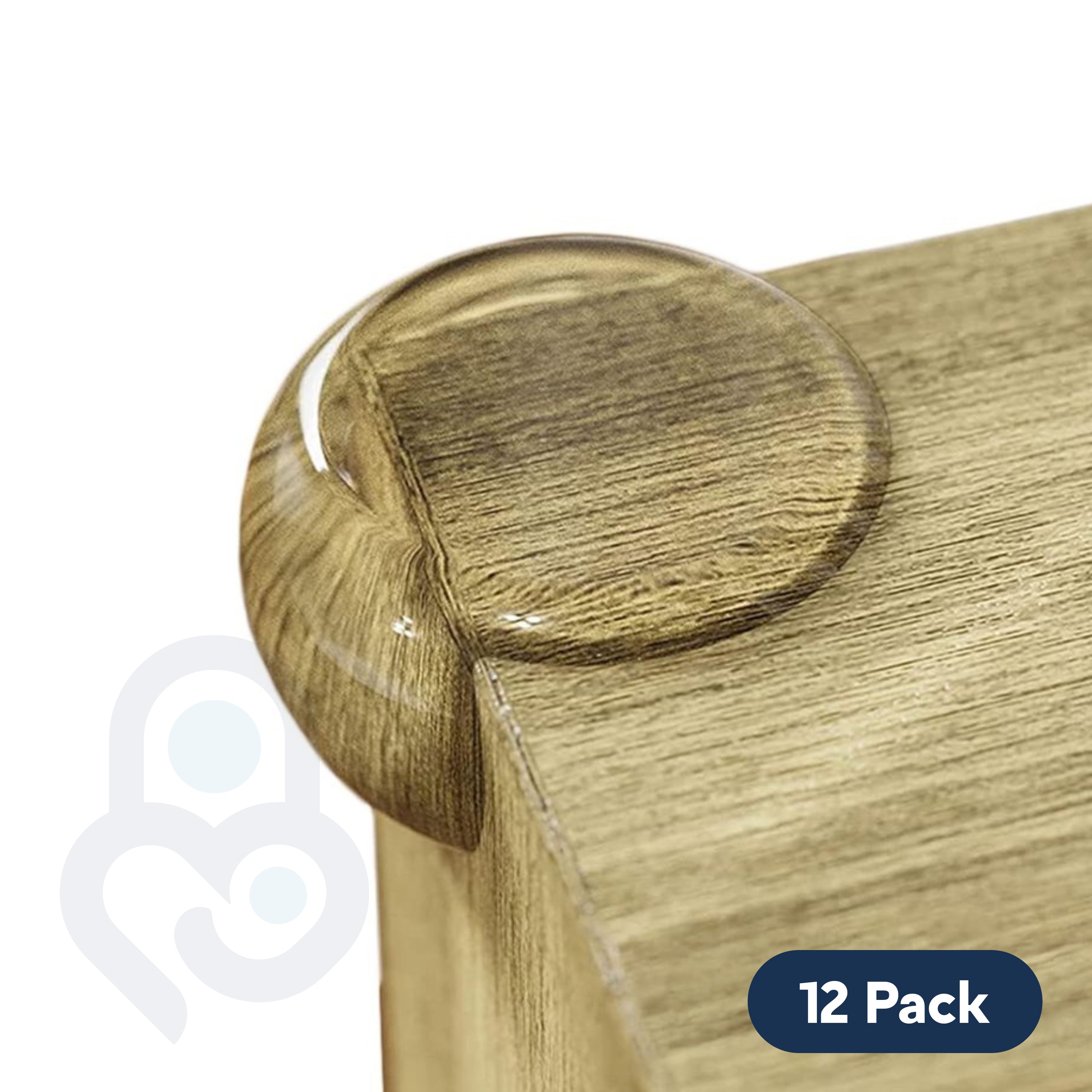
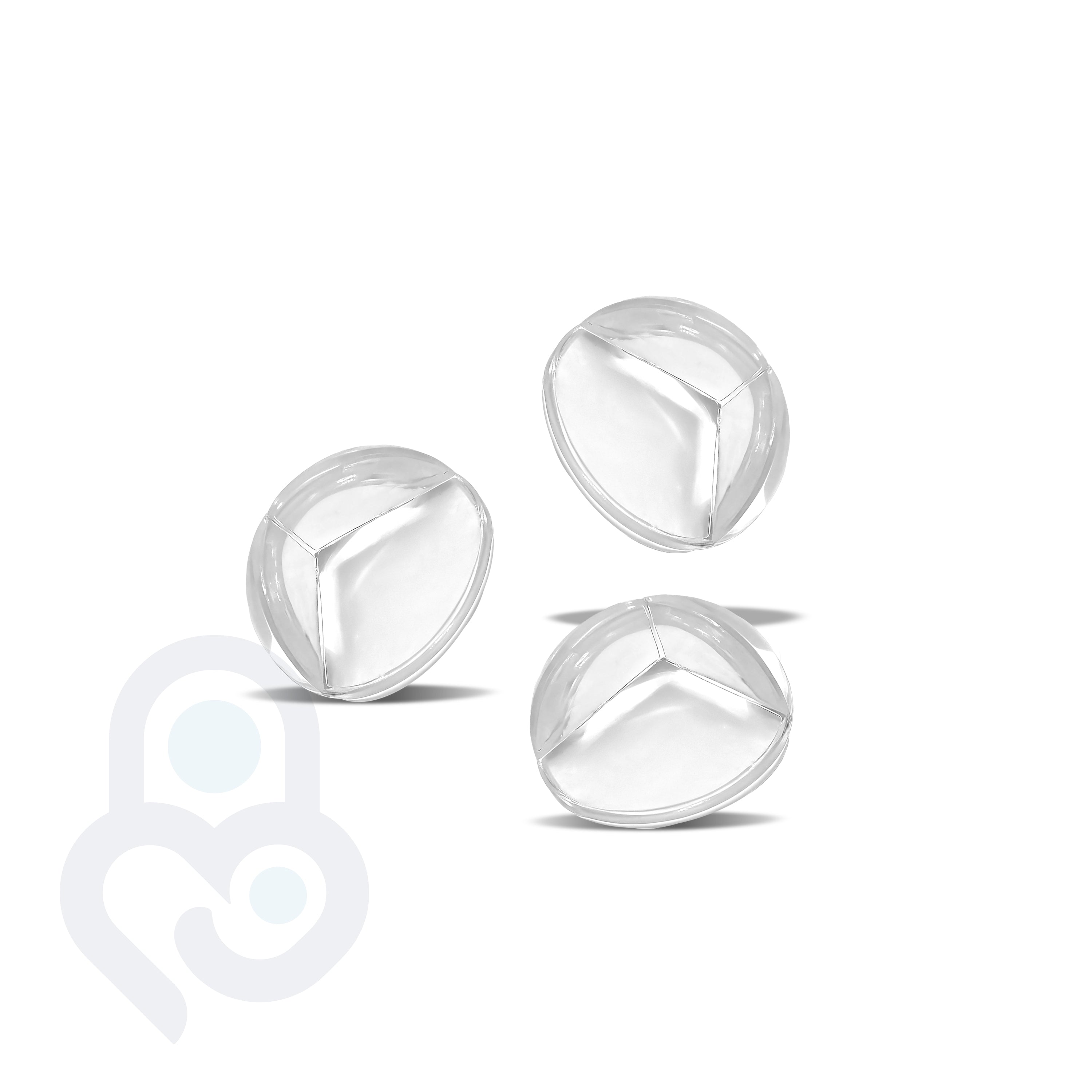
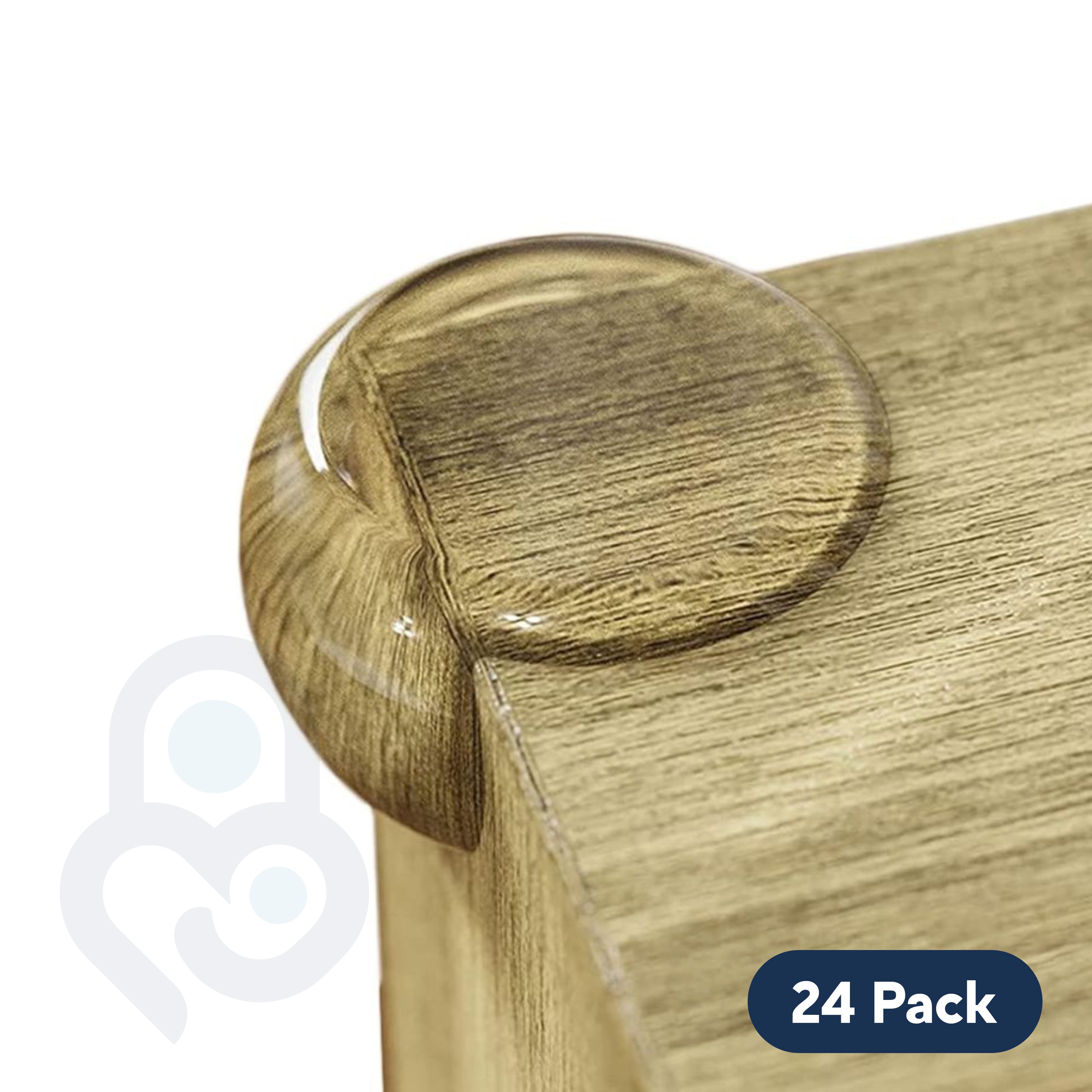
Clear Table & Counter Corner Protectors