Baby Refusing the Bottle: Nipple Flow, Shape, Temperature and Other Fixes by Age
Why babies refuse the bottle and what to try at each age, from the nipple and milk temperature to teething and daycare, plus when to call the pediatrician.

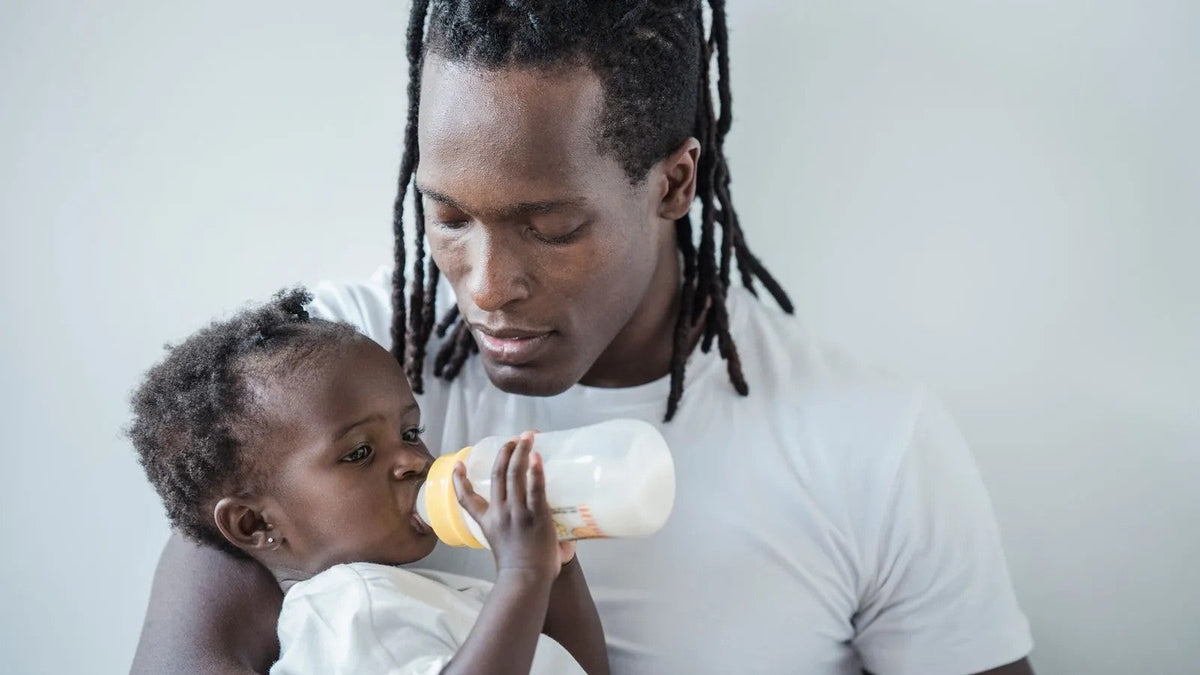
A baby refusing the bottle can turn a calm day into a stressful one. Check these first: a calm moment, small amounts, who offers the bottle, the nipple and the milk’s temperature. The CDC says learning to drink from a bottle takes some time, but the AAP’s warning signs still matter. A baby who will not drink or drinks very little for more than 8 hours needs a call to the pediatrician now, and more of the AAP’s signs are listed below.
Baby Refusing the Bottle: Hungry, Full or Unwell
Picture this: your baby takes a few swallows, then turns away from a bottle that is still half full. The CDC lists turning the head away from your breast or the bottle as one sign that a child from birth to 5 months may be full. Closing the mouth and relaxing the hands are the other two.
The CDC’s hunger signs for that age are putting hands to mouth, turning the head toward the breast or bottle, puckering, smacking or licking the lips, and clenched hands. It adds that crying is often a late sign of hunger.
The CDC says to watch for cues that your baby is full and then stop, even if the bottle is not empty. It also says not to force your baby to finish the bottle when your baby shows signs of fullness. The AAP’s HealthyChildren.org formula-feeding guide says a baby’s appetite varies throughout the day, and if the infant stops feeding or loses interest, the feeding should be stopped.
The CDC says to talk to your child’s doctor or nurse if you are concerned about how much or how little your child is eating. The AAP also lists a baby who looks or acts very sick among its signs to call your pediatrician now. Those signs appear in the call section below.
Breastfed Baby Refusing the Bottle: Steps for Introducing It
The CDC says to pick a time when your baby is calm and not too hungry or full. It says to begin by offering small amounts of breast milk or infant formula in the bottle, and to offer more if your baby shows signs of hunger. It also says a breastfed baby may be more willing to take a bottle from someone other than you.
The AAP’s HealthyChildren.org page on introducing the bottle builds on that. It says many mothers find it works better if someone else offers the bottle at first, somewhere other than where the baby usually breastfeeds. That way the baby has none of the usual cues to start seeking out the breast.
For the first few attempts, the AAP suggests:
- Trying an hour or two after a regular feeding, when your baby is alert and motivated but not so hungry that they are upset and frantic.
- Keeping a calm and reassuring manner. A smiling face and soothing voice help a baby relax.
- Sometimes dripping a little familiar-tasting breast milk on the baby’s lips or tongue first.
- Slowly and gently introducing the nipple, letting your baby explore it with their mouth rather than forcing it past the gums.
For a baby who is still breastfeeding, the AAP says to stop the attempt if your baby becomes frustrated. It also says to stop if more than ten minutes pass and your baby hasn’t fed. It adds that it is better to end on a positive note and try again the next day.
That pacing is for a baby who is still breastfeeding. The AAP also says to call your pediatrician now if your baby will not drink or drinks very little for more than 8 hours.


Nipple Shape and Flow: What to Try Next
If a baby who is still breastfeeding refuses after a few daily attempts, the AAP suggests changing to a different kind of nipple or from a bottle to a cup. A baby who uses a pacifier may prefer a similar nipple for bottle-feeding. Otherwise, the AAP says you may have to experiment with several types of nipples until you find one your baby likes. If your baby is younger than 6 months, ask your pediatrician first about a cup.
For a baby who is still breastfeeding, the AAP says to be aware of your baby’s cues and respond accordingly. It says not to give up on any one type of feeding device until you have tried it for several days. It adds that some babies are particular about which feeding method they’ll accept, but once introduced to one they like, they adjust easily. The AAP also says to call your pediatrician now if your baby will not drink or drinks very little for more than 8 hours.
MedlinePlus from the National Library of Medicine says some babies prefer a certain nipple shape. Nipples can be dome-shaped, flat or wide, and flat or wide nipples are shaped more like a mother’s breast. MedlinePlus suggests trying different shapes to see which one your baby prefers. It says to start by buying a few different types of bottles and nipples to try out, a small step if you are planning newborn essentials on a budget.
MedlinePlus says nipples come in slow, medium and fast flow rates, often numbered with 1 as the slowest flow. It says infants usually start with a smaller hole and slower flow, and the size is increased as your baby gets better at feeding and drinks more.
The AAP’s formula-feeding guide says feedings shouldn’t take more than 20 minutes. If a feeding is prolonged, check the nipple to be sure it isn’t clogged. A clean nipple should drip about 1 drop per second when the bottle of formula is turned upside down.
MedlinePlus says to throw out cracked or torn nipples, because small pieces of the nipple can come off and cause choking. If your child is not breathing, is having a seizure or is unresponsive, call 911.
If you want a new nipple to try or a spare on hand, Baby Proof Me’s SkinSoft Silicone Nipples are made of silicone free from BPA and come in a 2-pack.

Milk Temperature: Warm, Cool or Room Temperature
The AAP’s formula-feeding guide says most babies like formula at body temperature. In the summertime some infants prefer formula that’s cooler, and in the wintertime some prefer it warm. The AAP says the best temperature is the one your infant prefers. Either way there’s no health risk, but make sure the formula is not too hot, because it can burn your baby’s mouth.
The CDC says breast milk does not need to be warmed and can be served room temperature or cold. It says infant formula does not need to be warmed before feeding either.
If you do warm milk, the CDC gives these methods:
- Breast milk: Keep the container sealed. Place it in a bowl of warm water or hold it under warm, but not hot, running water for a few minutes. Test the temperature with a few drops on your wrist before feeding.
- Formula: Place the bottle under running warm water. Keep water from getting into the bottle or on the nipple. Put a couple drops on your wrist to see if it is too hot.
The CDC says not to heat breast milk directly on the stove or in the microwave. It says never to use a microwave to warm a bottle of formula, because microwaving can create hot spots that can burn a baby’s mouth.
The CDC gives different leftover rules for breast milk and for formula. If your baby did not finish the bottle, use leftover breast milk within 2 hours and then discard it. Throw out any infant formula left in the bottle after the feeding.
Baby Refusing the Bottle at Daycare: Prepare Ahead
Picture this: it is your first day back at work, and the bottle comes home untouched. The AAP’s page on introducing the bottle to a breastfed baby gives steps to take ahead of time.
It suggests inviting your baby’s future caregiver to start establishing a feeding relationship. As your baby shows signs of accepting the bottle or a cup, the AAP suggests an occasional full, regular feeding. It says you or another adult can give it at the time of day you expect to be away. That way the daily pattern is familiar by the time you need it.
If your baby is younger than 6 months, ask your pediatrician first about a cup. The CDC adds that a breastfed baby may be more willing to take a bottle from someone other than you.
The CDC says to clearly label breast milk you deliver to a childcare provider with your child’s name. It also says to talk to the provider about any other requirements for labeling and storing it. The CDC’s guidance for child care programs says breast milk can be served cold, room temperature or warm, in a bottle or cup. It tells providers to give families a daily record of feeding times and the amount of milk the child drank.
Check that record against the AAP’s 8-hour sign. The AAP says to call your pediatrician now if your baby will not drink or drinks very little for more than 8 hours.
Baby Refusing the Bottle When Teething: Signs and Cautions
MedlinePlus says teething generally begins when a child is between 6 and 8 months old. It lists refusing food among the signs of teething. It also lists acting cranky or irritable, biting or chewing on hard objects, drooling, and gum swelling and tenderness.
The AAP’s HealthyChildren.org teething guide says at least one tooth should be seen before using the guide. It says that if your baby refuses nipple feedings, try a cup. If your baby is younger than 6 months, ask your pediatrician first.
The AAP also says teething does not cause fever or a lot of crying. It warns that blaming teething for fevers can lead to a delay in seeking care for infections. Blaming it for crying can delay care for other illnesses. The AAP says to call your doctor if fever or crying occurs or if your child becomes worse.
Fixes by Age
Here is how the AAP, CDC and MedlinePlus guidance lines up by age.
| Age | What may be going on | What to try | Source |
|---|---|---|---|
| Birth to 5 months | Fullness cues; breastfed baby learning the bottle | Stop at fullness; someone else offers | CDC; AAP |
| 6 to 12 months | Teething signs include refusing food | Offer a cup with solids | AAP; MedlinePlus |
| 12 to 18 months | AAP window for completing the move to a cup | Reduce bottle feedings slowly | AAP |
If you have used no bottles at all, the AAP says you can introduce a cup filled with breast milk around 6 months of age. For a child between 6 and 23 months, the CDC’s signs of fullness include pushing food away, closing the mouth when food is offered and turning the head away from food.
What Not to Do
The CDC and AAP are direct about several habits:
- Do not force the feeding. The CDC says not to force your baby to finish the bottle when your baby shows signs of fullness. The AAP says to let your baby explore the nipple rather than forcing it past the gums.
- Do not prop the bottle or leave it in your baby’s mouth. The CDC says this can increase your baby’s risk of choking, ear infections and tooth decay.
- Do not put anything but breast milk or infant formula in the bottle. The CDC says infant cereal or other solid foods in the bottle could increase the risk of choking.
- Do not put your baby to bed with a bottle. This is the CDC’s rule.
- Do not switch formulas without talking with your child’s doctor. This is the AAP’s rule.
- Never add extra water to formula. The AAP says dilute formula can cause a seizure.
- Do not microwave a bottle or heat breast milk directly on the stove. The CDC says microwaving can create hot spots that burn a baby’s mouth.
If your child is not breathing, is having a seizure or is unresponsive, call 911.
When to Call the Pediatrician or 911
These signs come from the AAP’s HealthyChildren.org bottle-feeding guide, each at its own urgency.
- Call 911 if your baby can’t wake up or is not moving or very weak.
- Go to the ER now if your baby is hard to wake up or too weak to suck.
- Call your pediatrician now if your baby will not drink or drinks very little for more than 8 hours.
- Call your pediatrician now if dehydration is suspected: no urine in more than 8 hours, dark urine, very dry mouth and no tears.
- Call your pediatrician now if a baby less than 1 month old looks or acts abnormal in any way.
- Call your pediatrician now if a baby less than 12 weeks old has a fever.
- Call your pediatrician now if your baby looks or acts very sick.
- Contact your pediatrician within 24 hours if your baby does not seem to be gaining enough weight.
Call your pediatrician if you are worried.