How to Baby Proof Baseboard Heaters (Electric and Hot-Water)
Keep a 3-foot zone around baseboard heaters, keep anything that can burn away from them and know which safety rules apply to electric and hot-water units.

To baby proof a baseboard heater, start with three habits taken from NFPA’s general heating-equipment advice. NFPA’s Educational Messages desk reference says to keep a 3-foot (1-meter) safety zone for kids and pets around heating equipment. It also says to keep anything that can burn at least 3 feet (1 meter) away from it, and to supervise children whenever heating equipment is being used.
That wording covers heating equipment in general.
Are Baseboard Heaters Safe for Babies? What the Sources Say
The NFPA, CDC and AAP pages used here give no baseboard surface temperatures and no figures on how often baseboard units burn children. What the sources do give is advice for heating equipment as a category, and that advice is the best starting point.
NFPA calls heating equipment one of the leading causes of home fire deaths. The CDC reports that every day 435 children ages 0–19 are treated in emergency rooms for burn-related injuries and two children die from burns. That figure covers all burns from every cause, not heater burns.
Heater checks sit inside the wider routine of home safety basics for babies. Each hazard gets the same three questions: where is it, can a baby reach it, and who is watching?
How to Baby Proof a Baseboard Heater, Electric or Hot-Water
Electric and hot-water baseboards get one routine. NFPA’s general heating rules are written for heating equipment without naming a heater type. The zone, supervision and combustibles checks therefore apply the same way to both. For anything specific to your unit, the manufacturer’s manual is the place to look.
Here is the routine:
- Mark the zone. Treat the floor space around the heater as NFPA’s 3-foot (1-meter) safety zone. Keep it free of play mats, toy bins and baby gear.
- Supervise. NFPA says to supervise children whenever heating equipment is being used. A baby who is out of sight in a room with a running heater is not being supervised.
- Clear combustibles. Anything that can burn stays at least 3 feet (1 meter) from the heater. The room-layout section below covers this.
- Check the listing. NFPA says to use heating equipment listed by a nationally recognized testing laboratory. Look for that listing in your manual or on the unit’s label.
- Leave installation to a professional. NFPA says to install stationary space heating equipment, water heaters or central heating equipment according to local codes and the manufacturer’s instructions. It also says to have a licensed professional install any stationary heating equipment.
- Schedule the yearly check. NFPA says to have heating equipment cleaned and inspected every year by a licensed professional.
Picture this: a baby who has just started crawling heads straight for the one stretch of wall you haven’t looked at in months. The zone on the floor and your eyes on the baby cover that moment. Neither one works without the other.


Baseboard Heater Covers for Babies and the Maker’s Instructions
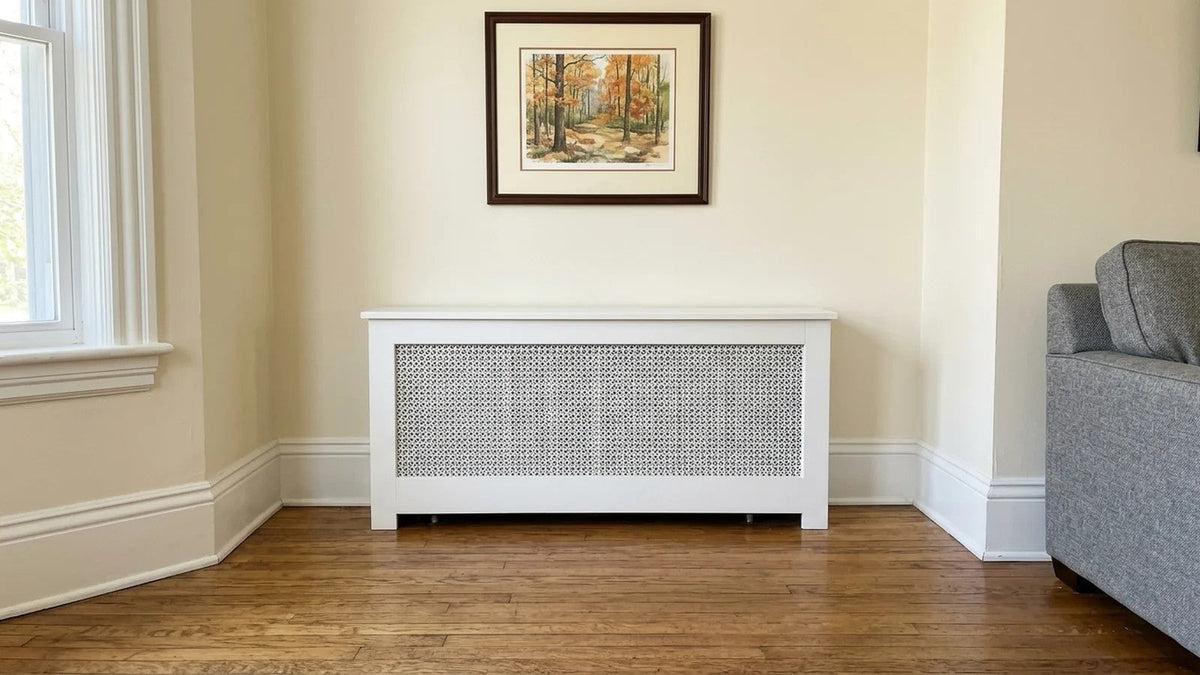
As for baseboard heater covers for babies, NFPA’s heating-equipment advice includes a related idea: use a sturdy metal screen to prevent contact burns, which NFPA says are more common than flame burns. That is NFPA’s general advice for heating equipment.
The AAP uses the same reasoning for another hot household surface. Its fireplace page says to minimize a child’s chance of burns from the hot glass front of some fireplaces, including gas fireplaces, and that safety screens can be installed to reduce the risk of burns. That is the AAP’s advice for fireplaces, and it does not mention baseboard heaters.
If you are shopping for a child proof baseboard heater cover, know that no NFPA, CDC or AAP page used here says that a cover or screen makes a baseboard heater safe. If you want anything fitted to your unit, read the heater maker’s instructions first. They say what, if anything, the manufacturer allows on that model.
The same goes for problems. For a loose, damaged or missing part, go to the manufacturer’s instructions or call a licensed professional. Don’t improvise a repair. A cover or screen also never replaces watching your child.
Arranging a Room Along a Baseboard Wall
NFPA says to keep anything that can burn at least 3 feet (1 meter) away from heating equipment. That is the reason to look closely at what sits along a baseboard wall. Four things can end up too close:
- Curtains. Long panels can hang or drift toward a heater, especially near a window.
- Bedding. A crib, toddler bed or pile of blankets pushed against the wall puts fabric next to the heater.
- Laundry. Drying racks and baskets of clean clothes are easy to park where it is warm.
- Furniture. Upholstered chairs, sofas and storage bins often end up flush with the wall.
Picture this: you fold laundry on the sofa, and the sofa sits flush against the baseboard wall. It is a normal, tidy arrangement, and it is the sort of layout the 3-foot (1-meter) rule asks you to rethink.
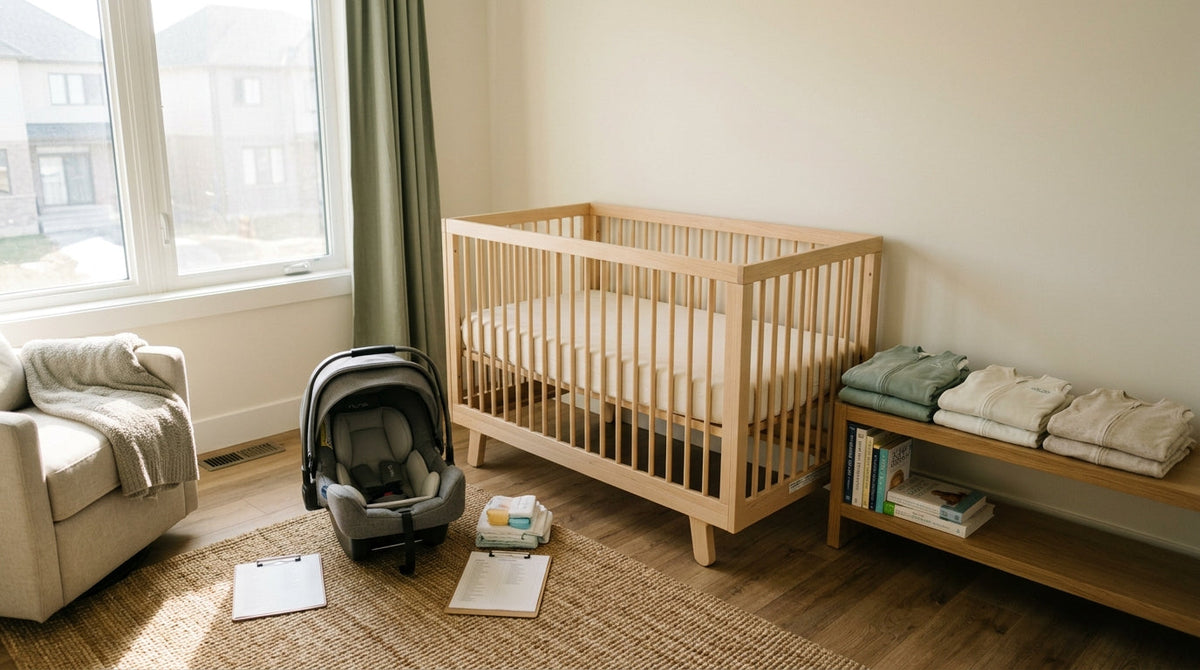
The room has to work for the baby too. A 3-foot zone along the wall can change where the crib, changing table and play area go. Move the furniture instead of squeezing it in. Then walk the room at a baby’s level and look for anything fabric or paper that could drift into the zone.
Why a Baseboard Heater Is Not a Portable Space Heater
NFPA’s portable-heater rules sit under its "Portable Electric Space Heaters" heading. They include these:
- Turn space heaters off when you go to bed or leave the room.
- Plug them directly into a wall outlet, never into an extension cord or power strip.
- Use one with an automatic shut-off.
A baseboard heater is fixed to the wall rather than portable, so those rules belong to portable units. The general rules above (the safety zone, supervision, combustibles, listed equipment and professional installation) are the ones NFPA words for heating equipment broadly. Portable heaters have their own section in NFPA’s list, with their own checks.
Winter Fire Basics Next to a Heater
NFPA says half of home heating fires are reported during December, January and February. That is why the start of winter is the time to walk through each room that has a heater. Do it before the first cold week, not after.
For fire safety in the home as a whole, the CDC says to install and maintain smoke alarms on every floor and near all rooms where people sleep, and to test them once a month. It also says to make and practice a family fire escape plan with at least two ways out of every room and a meeting place outside. For more on the wider picture, the topic of fire and burn hazards at home goes well beyond heaters.
Carbon monoxide matters for any heating system that burns fuel. NFPA says to make sure fuel-burning heating equipment is vented to the outside to avoid carbon monoxide (CO) poisoning. It also says to choose a listed CO alarm and install and maintain it inside the home. Your heating system’s manual will tell you whether it burns fuel.
Hot-Water Baseboards and the Water Heater Thermostat Are Different Topics
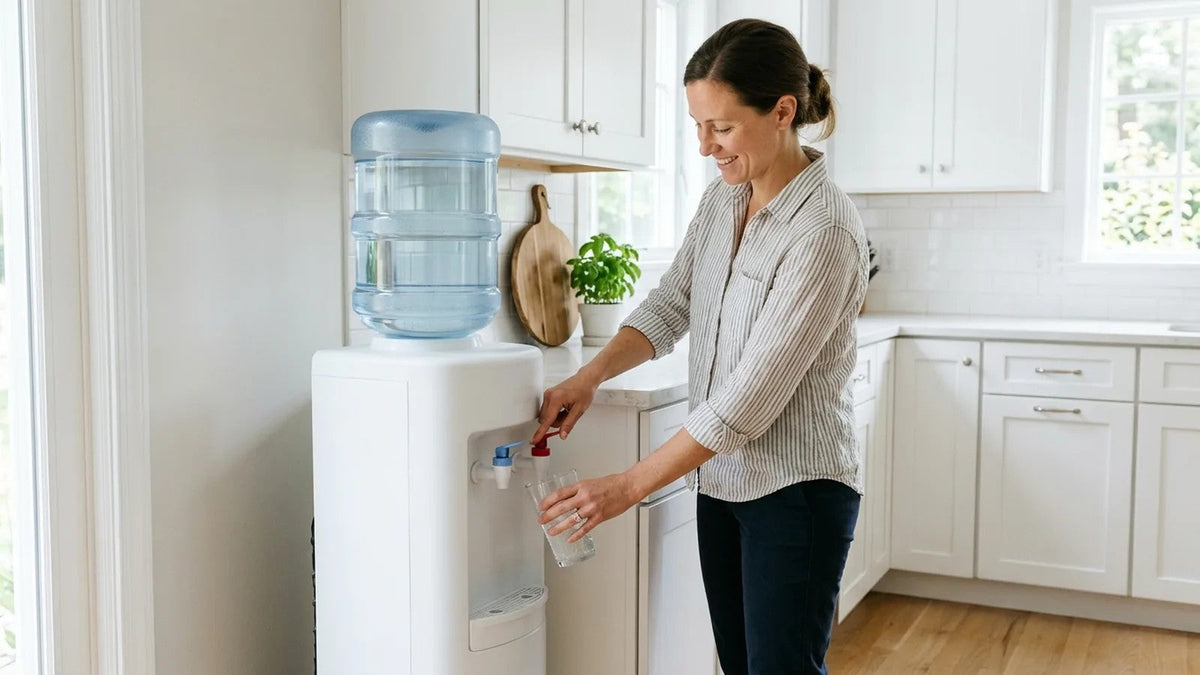
A hot-water baseboard system and the tap-water heater are different things, and the two pieces of advice below are about tap water only. The CDC says to set the water heater’s thermostat to 120°F (49°C) or lower to protect children from hot tap water. CPSC says most tap-water scald injuries and deaths involve the elderly and children under five. For the hot tap on a water cooler, see how to childproof a water dispenser.
Both figures are about water from the tap. They say nothing about a heating system, and they do not tell you how hot a baseboard unit is. If you are checking the thermostat on the tap-water heater, the topic of water heater temperature for safety gets its own detailed treatment.
The same split applies elsewhere in the home. Hot water burns in the kitchen involve cups, pots and the sink. The safe bath water temperature for a baby is a bathtub question. Each is a separate check from the heater along the wall.
Burns, Emergency Calls and a Pre-Winter Walk-Through
If a child is burned, call 911 or your pediatrician. For burn questions, use the AAP’s HealthyChildren.org.
Before the cold settles in, do one walk-through of every room with a baseboard heater:
Pre-Winter Walk-Through
These steps lower the chance of a burn. They do not replace watching your child whenever the heat is on.