

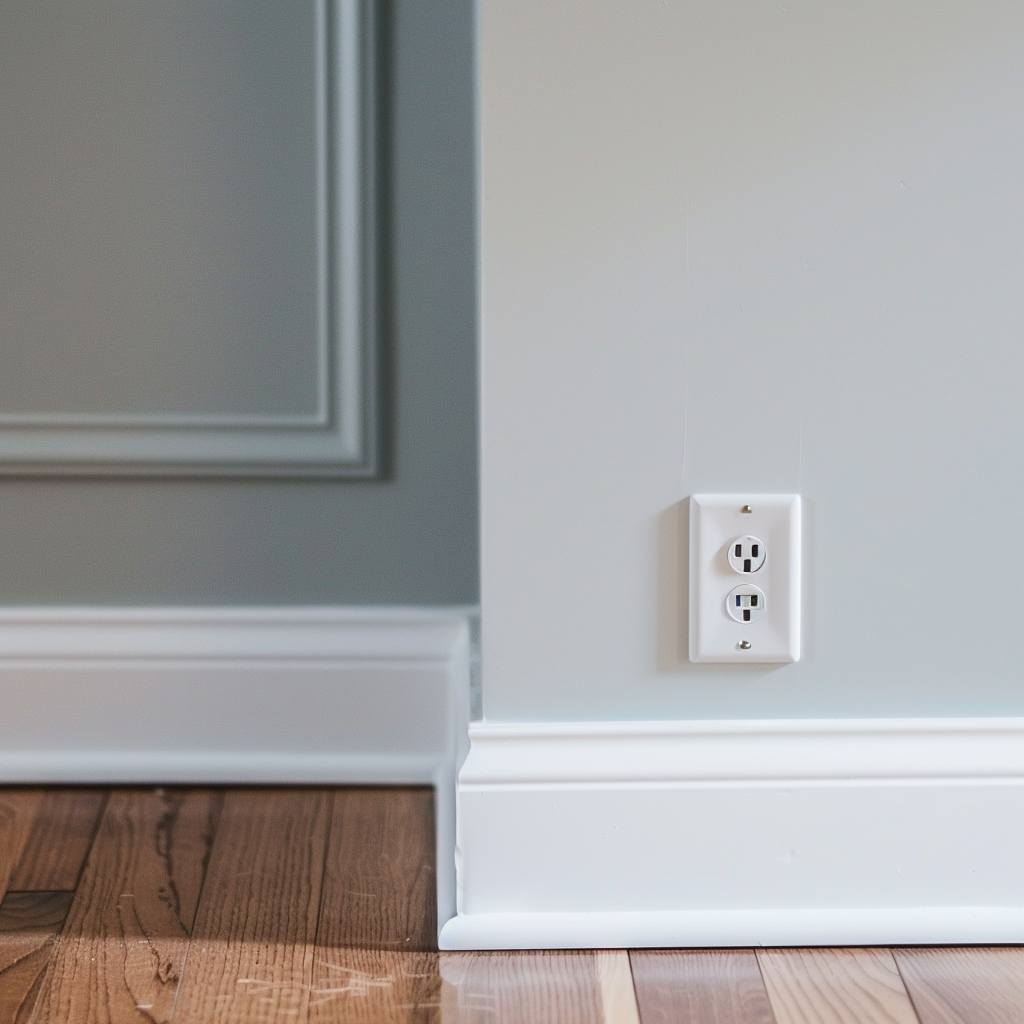
That moment when you bring your little one home is a time filled with excitement and joy. However, once your newborn is in your home, it also comes with many more responsibilities. As they grow, they begin to explore and with exploring comes getting into things they shouldn’t be or things that could be harmful to them. As you think about the safety of your curious little one, you want to ensure that you baby-proof all the areas that can be harmful. Areas that can be particularly harmful to your child are electrical outlets. In this article, we will walk you through how to baby-proof your outlets and any electrical cords to ensure your baby is always safe in your home.
Assess the Hazard Zones
It can be overwhelming when you start to think to yourself all the places in your home that need to be baby-proofed. One way to approach this is to start by walking through your home and starting a list to indicate every place that you need to ensure has an electrical cover or cords that need to be hidden. Having a list will help to remind you of all the places that need an outlet cover so you do not miss one. When starting the walk through ask yourself:
- Are outlets within reach of crawling and walking children?
- Are cords lying accessible where your child might pull or chew them?
- Are there power strips or surge protectors in plain sight?
To help prioritize where to start, you want to ensure that the most hazardous places are taken care of first. Then move on to the less accessible places.
Choose Outlet Covers Wisely
There are several types of outlet covers available. Knowing which to use where can make all the difference in effectively baby-proofing your home.
Plastic Outlet Plugs
Plastic outlet plugs are the most common and affordable type of outlet covers. They're easy to plug in and remove but can be a choking hazard if your baby manages to pull them out.
Outlet Sliding Covers
Once installed, these covers allow you to slide a cover over the outlet when it's not in use. They offer a convenient and permanent solution.
Box Outlet Covers
These enclose the entire outlet and plug, making it impossible for little fingers to reach inside. They are especially useful for outlets that have appliances constantly plugged in.
Depending on the place and how frequently you use the outlet should help determine which type of cover you choose. Make sure to choose one that best fits your environment and lifestyle.
Install the Outlet Covers
Installation is the most important part. If you do not install the cover correctly, it could become obsolete and your child might get hurt. Below we take you through a step-by-step guide on how to correctly install each of the outlet covers mentioned above.
Plastic Outlet Plugs
You first want to clean the area in which you are going to place the cover. With plastic outlet plugs they are as easy as pushing them into the outlet and making sure they are secured firmly.
Sliding Outlet Covers
With these types of outlet covers, it will take a screwdriver to install them. They are a bit more complicated than the plastic covers but are just as effective.
To install the cover, remove the current plate on the wall and then make sure to align the sliding cover over the outlets. Once it is in place, screw it into the wall. You want to test it to make sure the covers slide properly but also remain secure when your child might try to play with it.
Box Outlet Covers
Box outlet covers can be simple to install with adhesive, however you can also use a screwdriver. You want to remove the current plug from the outlet and then place the box over the outlet and the cord. Secure the box to the wall with either the adhesive or by screwing it in the wall, whichever you prefer but also stays secure.
Manage Cords Effectively
Cords within reach can be dangerous. Babies can pull on them, chew them, or even get entangled. Here are effective strategies to keep cords out of harm's way.
Cord Shorteners
Devices like cord shorteners or winders help you gather excess cord and keep it out of reach. Simply wind the cord around the device and place it high or out of sight.
Cord Concealers
These are tubes or channels that you can run along your baseboards. They protect the cords and prevent them from being accessible.
Furniture Arrangements
Strategically place furniture to block access to cords. For example, move couches or shelves to hide cord-heavy areas.
Velcro Straps and Zip Ties
Use these to bundle and secure cords. This prevents them from becoming tangled and reduces the temptation for your child to grab them.
Baby Proofing Power Strips
Power strips are particularly attractive to little ones due to the number of plugs they contain. Here’s how to secure them effectively:
Power Strip Covers
These are plastic boxes designed to enclose power strips fully. This will then prevent access to plugs.
Mounting Power Strips
You may want to consider mounting power strips to the wall or the back of furniture. This allows them to be out of reach from your little one.
Advanced Power Strip Safety
For a more advanced safety strip, you might want to consider upgrading. By upgrading to advanced power strips with built-in safety shutters, you can prevent accidental insertions.
Consider Professional Installation for High-Risk Areas
For high-risk areas like the kitchen and bathroom, or if you’re unsure about installation, consider professional help. Electricians can install tamper-resistant electrical outlets that have a built-in safety mechanism that prevents objects from being inserted into outlets unless equal pressure is applied to both sides simultaneously.
Keeping Your Baby Safe from Electricity
The last thing any parent wants to worry about is if their child can stick their little fingers into an electrical outlet. By taking a proactive approach to baby-proof all your outlets and cords, you can prevent your little explorer from harm when you turn around for a second. Make sure to follow the step-by-step process above by first starting with the assessment of your home and all the places that can be a potential hazard.
As you undertake these measures, remember that nothing replaces direct supervision. Teaching your child about the dangers in their environment as they grow also serves to reinforce physical precautions.


Share:
How to Baby Proof Cabinets: A Comprehensive Guide
Best Baby Proofing Products to Safeguard Your Home