Is Pest Control Safe With a Baby? Spraying, Re-Entry Times and What to Ask
What NPIC and the EPA say about pest control with a baby: the label’s wait, what to ask a company, roaches and foggers, and who to call.

Is pest control safe for babies? No source quoted below calls any pesticide or pest control service safe for a baby. The National Pesticide Information Center (NPIC), a cooperative agreement between Oregon State University and the U.S. EPA, says: “All pesticides have some level of toxicity, and pose some risk to infants and children.” NPIC says the label sets the wait before your baby is back in the room. If the label is silent, NPIC says to wait until the pesticide is “totally dry or longer.”
NPIC adds that the risk “depends on the toxicity of the pesticide ingredients and how much of the pesticide a child is exposed to.” Because of that, NPIC says “it is important to minimize your child’s exposure to pesticides.” That makes lowering exposure the goal. For a question the label does not answer, NPIC takes calls at 800-858-7378.
Is Pest Control Safe for Babies? Why Babies Are the Careful Case
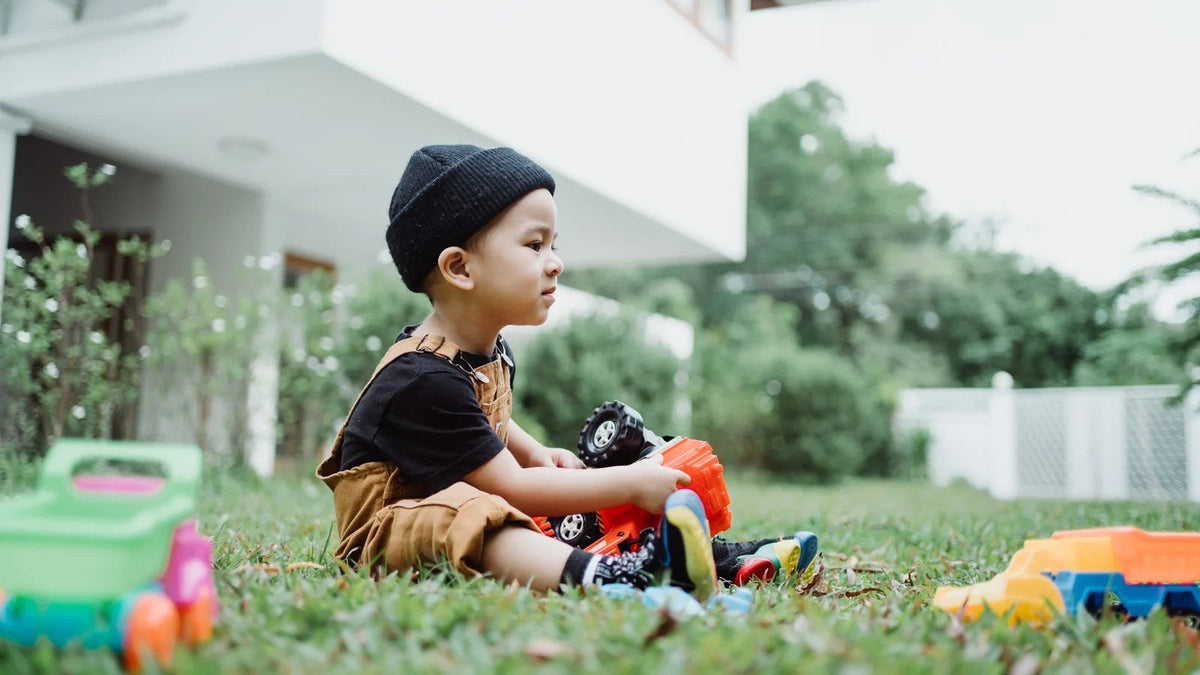
NPIC explains the concern in terms of where babies spend their time. It says, “Babies that crawl on treated carpeting may have a greater potential to dislodge pesticide residue onto their skin or breathe in pesticide-laden dust.” It also says, “Children often spend more time closer to the ground, touching baseboards and lawns where pesticides may have been applied.”
Then there is the mouth. “Young children are also more likely to put their fingers, toys, and other objects into their mouths,” NPIC says. And NPIC adds that infants “take more breaths per minute and have more skin surface relative to their body weight.”
Picture this: your baby crawls across a treated carpet, pats a baseboard, and then puts a hand in their mouth. Every step in that scene matches a line NPIC wrote.
Pesticides are one hazard among many, and child-safe home basics cover the rest of the house.
Prevention First: Food, Water and Shelter
The EPA says, “The most effective way to reduce or eliminate pest problems and risks posed by pesticides is to first prevent these pests from entering your home.” NPIC points to Integrated Pest Management (IPM), “a pest control strategy that uses a combination of methods to prevent and eliminate pests in the most effective and least hazardous manner.”
The EPA lists what pests such as cockroaches need: “food, water and shelter.” Taking those away comes down to a short list:
- Keep food and food scraps “tightly sealed,” as the EPA says.
- Have garbage “regularly removed,” in the EPA’s words.
- Fix leaky plumbing, which the EPA lists among its steps.
- Caulk cracks and crevices around cabinets or baseboards, another EPA step.
These come before any product. Yards and plants raise their own questions, and garden safety for babies is the place for those. Lawn treatments have their own re-entry question: how long before kids can play after weed killer.


The Label Sets the Wait Before Your Baby Is Back in the Room
NPIC gives no single number for every product, room or surface. NPIC says: “Some labels will tell you how long to wait to return to the treated area. Make sure you wait the amount of time indicated by the label or longer. If the label doesn’t say how long to wait, wait until the pesticide is totally dry or longer.”
NPIC’s child guide adds, “The product label may have more specific instructions.” So the label is the first stop. If a company did the work, ask which product they used and read its label yourself.
For toys, bedding and crib items, start with the label and the applicator’s written instructions. If the label leaves your question open, call NPIC at 800-858-7378.
Before and After a Treatment
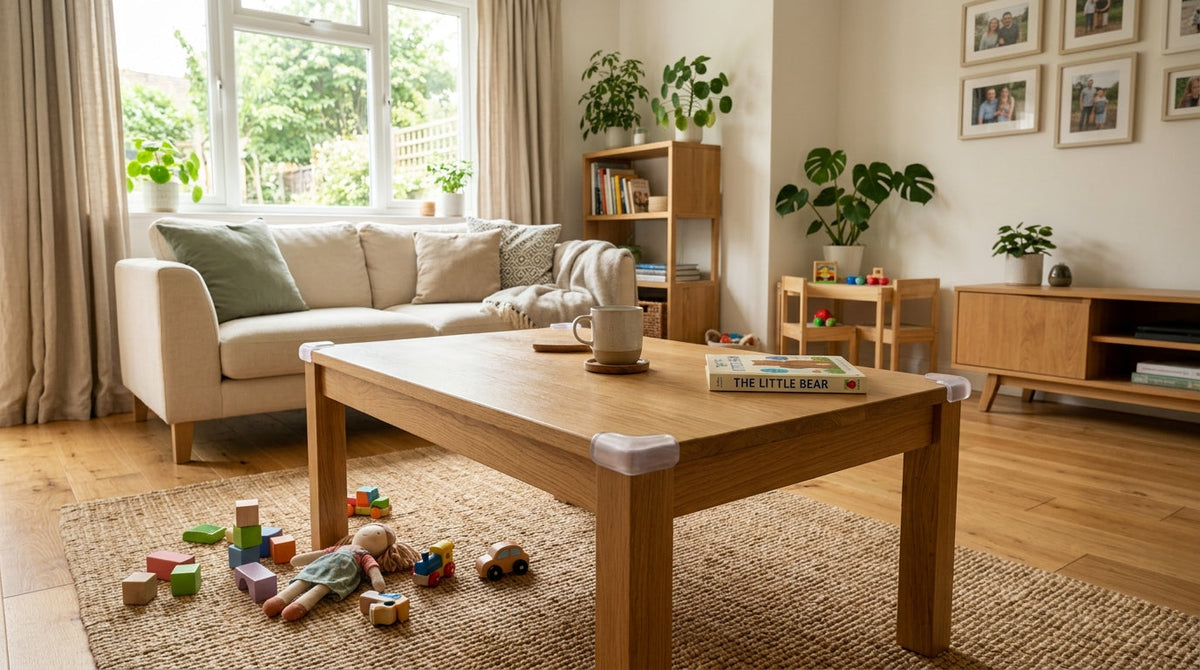
Booking pest control with a newborn at home starts with NPIC’s list for babies and pregnancy. Picture this: a technician arrives at the door while bottles sit drying on the counter and a play mat is spread on the floor. NPIC’s list covers exactly that moment.
Before the application, NPIC says:
- “Read the product label first.”
- “Move food, dishes, and baby’s things out of the way before spraying.”
- “Make sure pregnant women and babies are out of the treated area during a pesticide application.”
- “You may consider leaving during the application.”
- “If possible, have someone else perform the pesticide application.”
After the application, NPIC says:
- “Open windows and let air flow into your home after an application before returning to normal activities.”
- “Avoid contact with the treated surfaces as much as possible.”
- “Consider placing a blanket or a play mat on areas where the baby will be crawling.”
NPIC’s child guide adds two more lines. “Be sure children wash their hands before eating.” For treated carpeting, it suggests “shoes, blankets or another barrier between the treated surface and children’s skin.” For surfaces near food preparation, NPIC says to “consider washing those surfaces after the treatment.”
Hiring a Pest Control Company: What to Ask
The EPA’s hiring tips start with licensing: “Firms offering pest control services must be licensed by your state. Ask to see the company’s license.” The EPA also says to “choose one with experience in IPM.” If you have concerns about a company, the EPA says to call your state pesticide regulatory agency. The EPA also lists NPIC at 1-800-858-7378 for help finding a professional.
You may see services advertised as pet and baby safe pest control. No source quoted on this page calls any such service safe for a baby, so ask for specifics instead:
- Do you hold a state license, and may I see it?
- Do you have experience with IPM?
- Which product will you use?
- What does that product’s label say about waiting before the baby is back in the room?
- Can I read the label before you apply it?
The last three questions follow directly from NPIC’s label rules. A company that answers them plainly gives you what you need to plan the day.
How to Get Rid of Roaches With a Baby: Prevention, Baits and Sprays
Start with the EPA’s list. Cockroaches need food, water and shelter, and the EPA’s steps are sealed food, regularly removed garbage, fixed leaky plumbing and caulked cracks. Those steps come before any product. Rodents are a separate problem, covered in mouse traps and rodent bait in a home with toddlers.
Parents often search for a roach killer safe for babies or a cockroach killer safe for babies. As covered above, no source quoted here calls any pesticide safe for a baby. Neither the EPA nor NPIC ranks gel baits against sprays in the pages quoted here, so there is no ranking to repeat. The label for the exact product in your hands is the guide.
The EPA does speak to baits. It says traps, bait stations and other pesticide products “can be used with low risk of exposure to the pesticide as long as they are kept out of reach of children and pets and used according to label directions.” NPIC’s wording is similar: “Place ant, snail and rodent baits in locked bait stations or safely out of reach of children.” For ants, see ants in a house with a baby, which covers baits, sprays and lower-risk options.
Foggers, Fleas and Whole-House Treatments
Foggers, often called bug bombs, are total release foggers in the EPA’s terms, and the EPA gives them their own safety page. The EPA says their aerosol propellants “typically are flammable,” so “improper use may cause a fire or explosion.” It also says “failure to vacate premises during fogging or reentering without airing out may result in illness.”
The EPA’s fogger rules are direct:
- Everyone, “including pets,” leaves the space.
- “Stay out until the time indicated on the label has passed.”
- On return, “open the doors and windows to ventilate.”
- “Remove all children, pets, toys, and uncovered food from treated area.”
The EPA names fleas among the pests foggers are “often used” on. For a fogger, those rules apply. For any other whole-house treatment, NPIC’s rule is to follow the label. NPIC also says to seek “the least-toxic pesticide option available.”
Pets bring a second exposure route. NPIC says, “If you apply pesticides to your pets, be sure to keep children from touching the pet until the product has completely dried.”
Bug bites and sunscreen for babies are a separate question from pest control, and this page leaves them aside. Air fresheners and plug-ins are covered separately in air fresheners and plug-ins with a baby.
Storage After the Job: Original Containers and Locked Cabinets
Picture this: the technician leaves a spare product, and you set it on a low shelf “just for now.” NPIC’s storage lines exist for that moment. It says to “store pesticides in their original containers. Never use food or beverage utensils or containers to mix or store pesticides.” It also says to “Store all pesticides out of the reach of children.”
The AAP says to store pesticides “in their original packaging in locked cabinets or containers, out of sight and reach of children.” The EPA’s fogger page agrees: “Keep the product away from children, for example, in a locked cabinet or shed.” Storing poisons out of reach and under-sink cabinet safety are worth a deliberate pass through your home after any treatment.
The AAP is also frank about the limits. Safety latches can help, “but there is always a chance the device will malfunction or the child will defeat it.” A lock adds a layer. It does not replace an adult’s eyes.
Baby Proof Me’s Magnetic Safety Lock Kit is one way to lock that cabinet:
- The product page describes hidden magnetic locks for “cabinets and pull-out drawers.”
- They mount with 3M adhesive or screws. For best results, the page says to allow 24 hours for the adhesive to fully bond onto the surface.
- Kits range from 6 locks and 2 keys to 36 locks and 9 keys.
- An adult opens the cabinet with the key.
- The product warning says it “is not a substitute for adult supervision.”
The kit’s keys are magnets, so store them where your child cannot reach them. The CPSC says: “If you suspect magnets have been swallowed: Seek immediate medical attention.” Call 911 or Poison Help at 1-800-222-1222.

If a Child Swallows a Product: Who to Call
For any swallowed product, including a pesticide, call Poison Help at 1-800-222-1222 (America’s Poison Centers). The AAP describes this help as “free, expert and confidential.”
The AAP also says: “If your child is unconscious, not breathing, or having convulsions or seizures due to poison contact or ingestion, call 911 or your local emergency number immediately.”
For a non-emergency question about a product, NPIC says to “Call NPIC to learn more about the toxicity of pesticides and ways to minimize exposure.” Its number is 800-858-7378.
Before Your Next Appointment
Before the technician arrives, ask for the product name and read its label. Plan where your baby will be during the application, and decide where leftover products will be locked up. If a locked cabinet is the missing piece, the Magnetic Safety Lock Kit is one option; keep its keys out of your child’s reach. If the label leaves the wait unanswered, call NPIC at 800-858-7378 before your baby goes back into the room.