
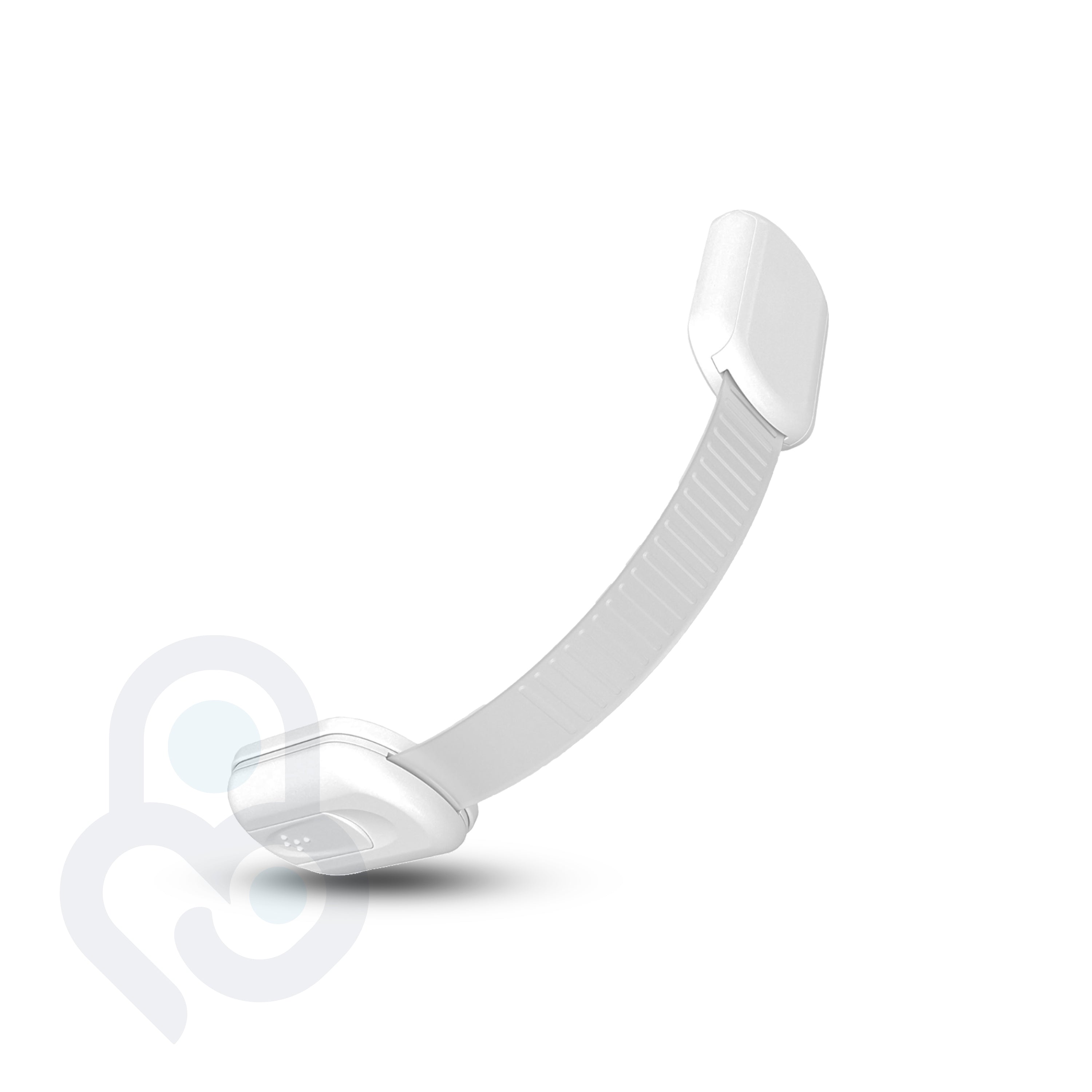
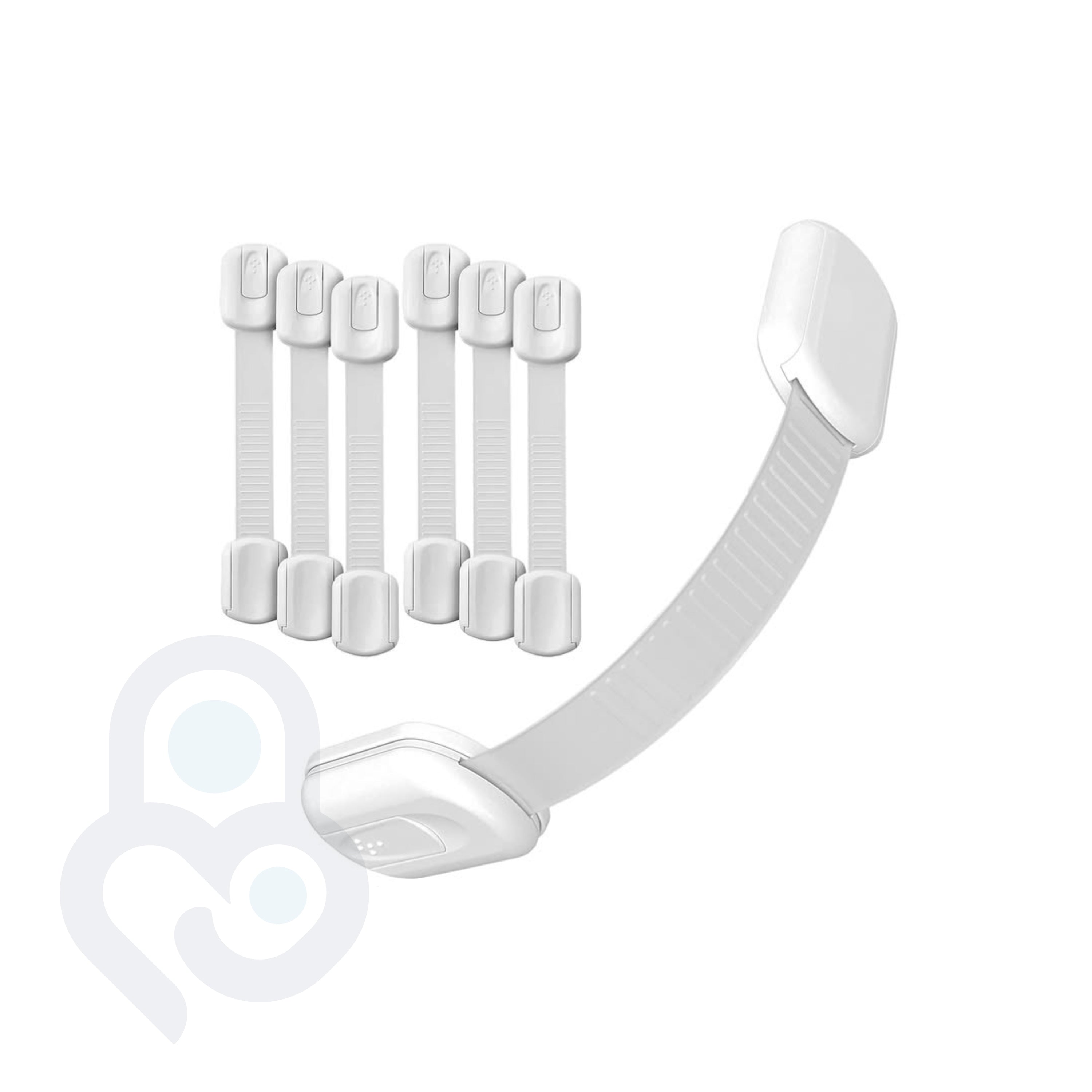
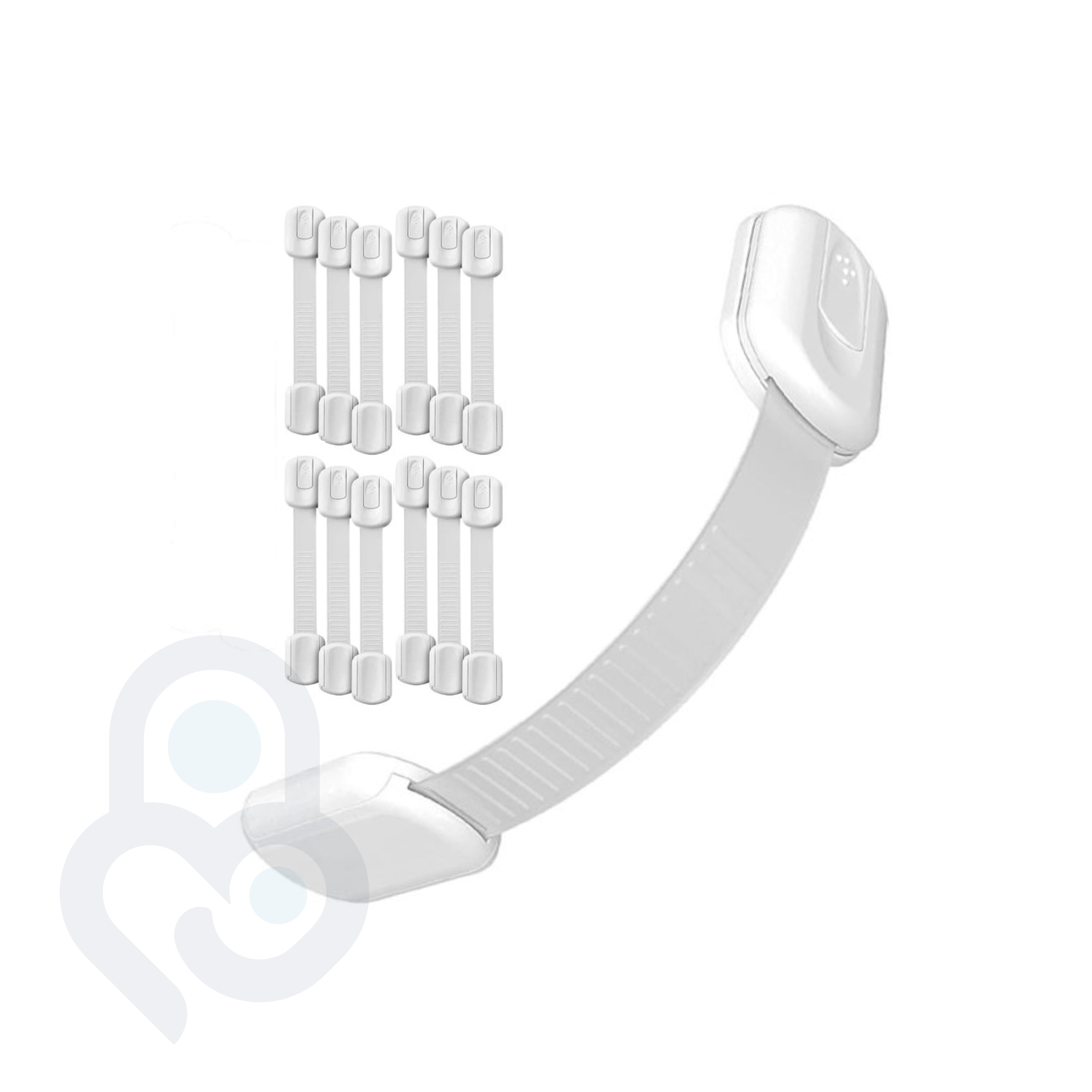


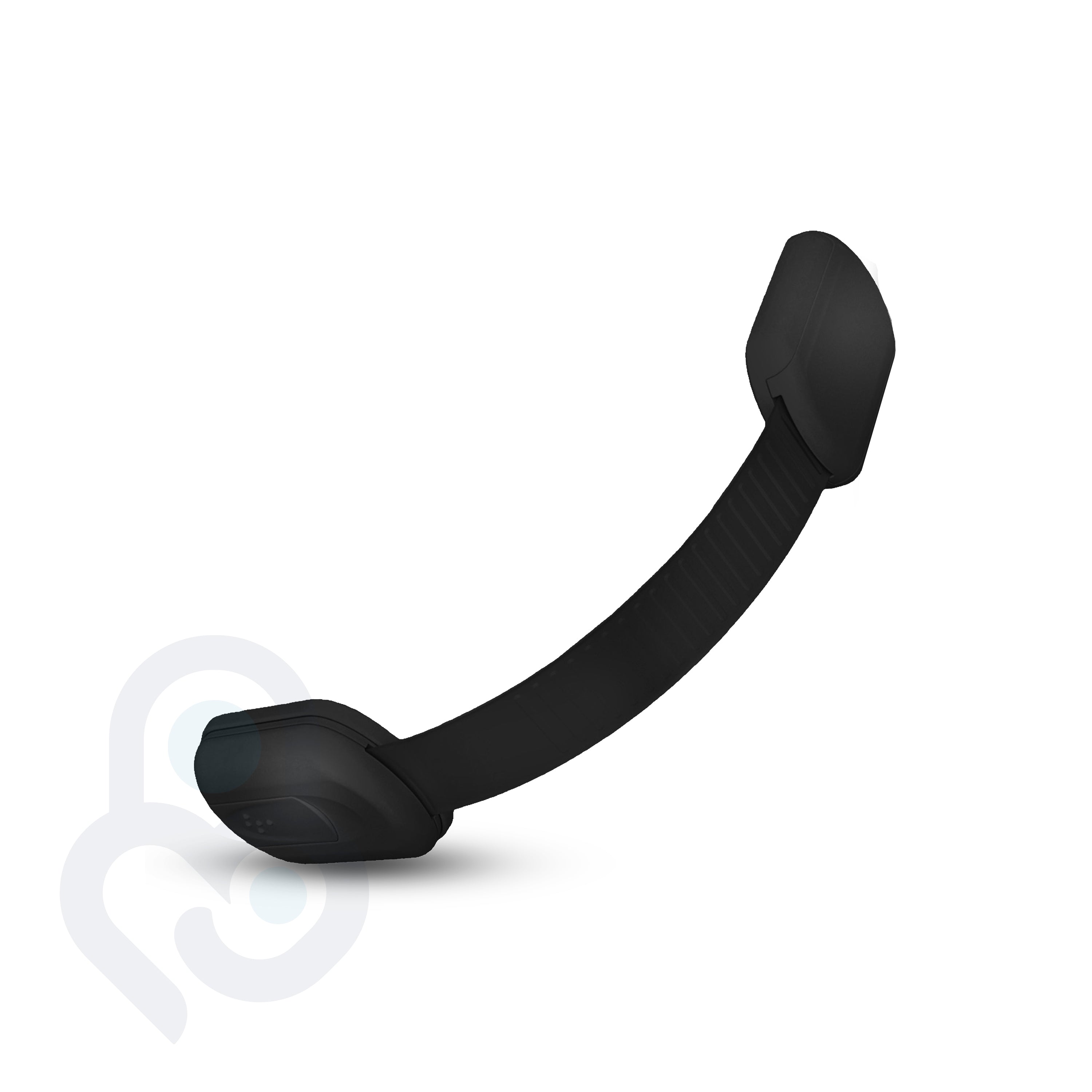
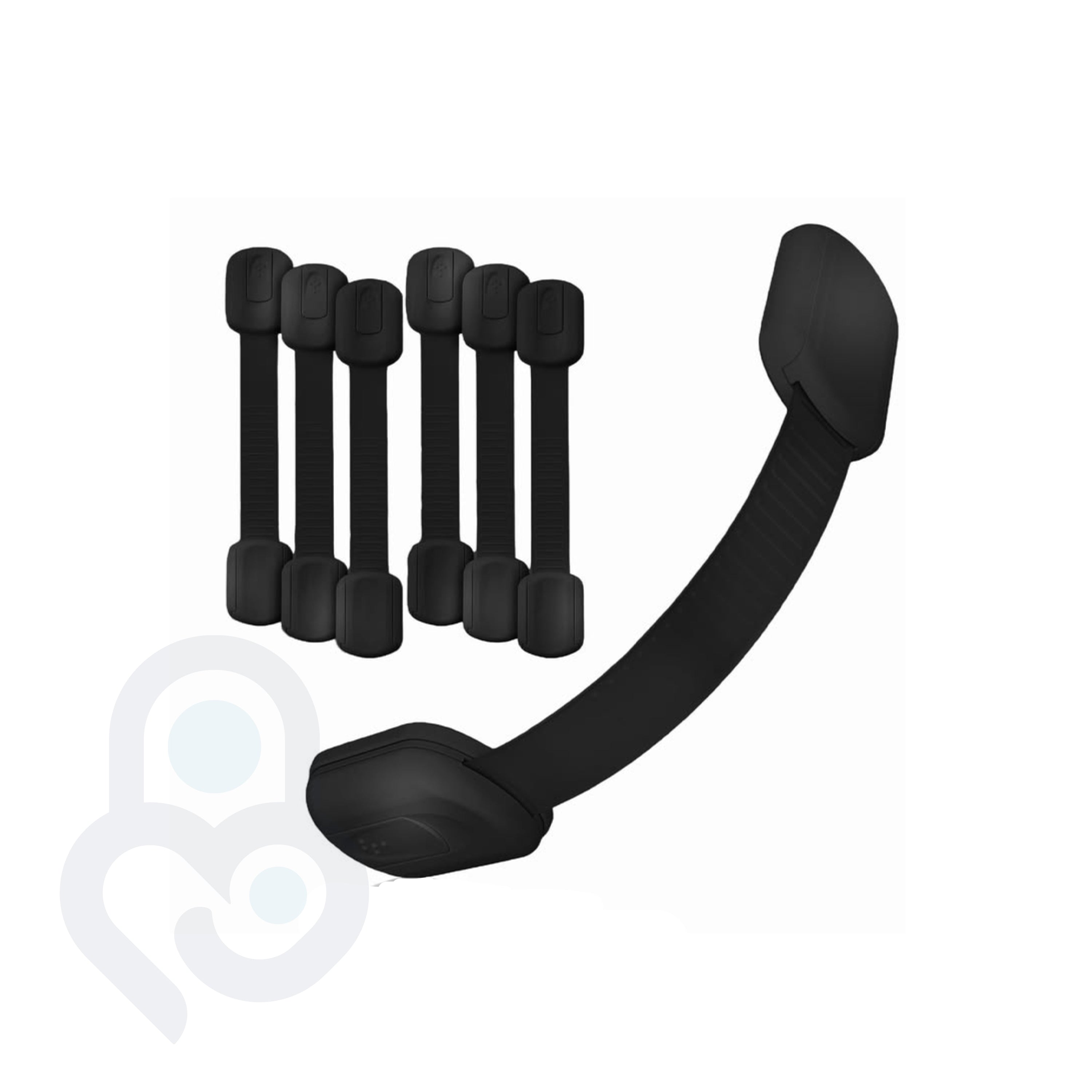
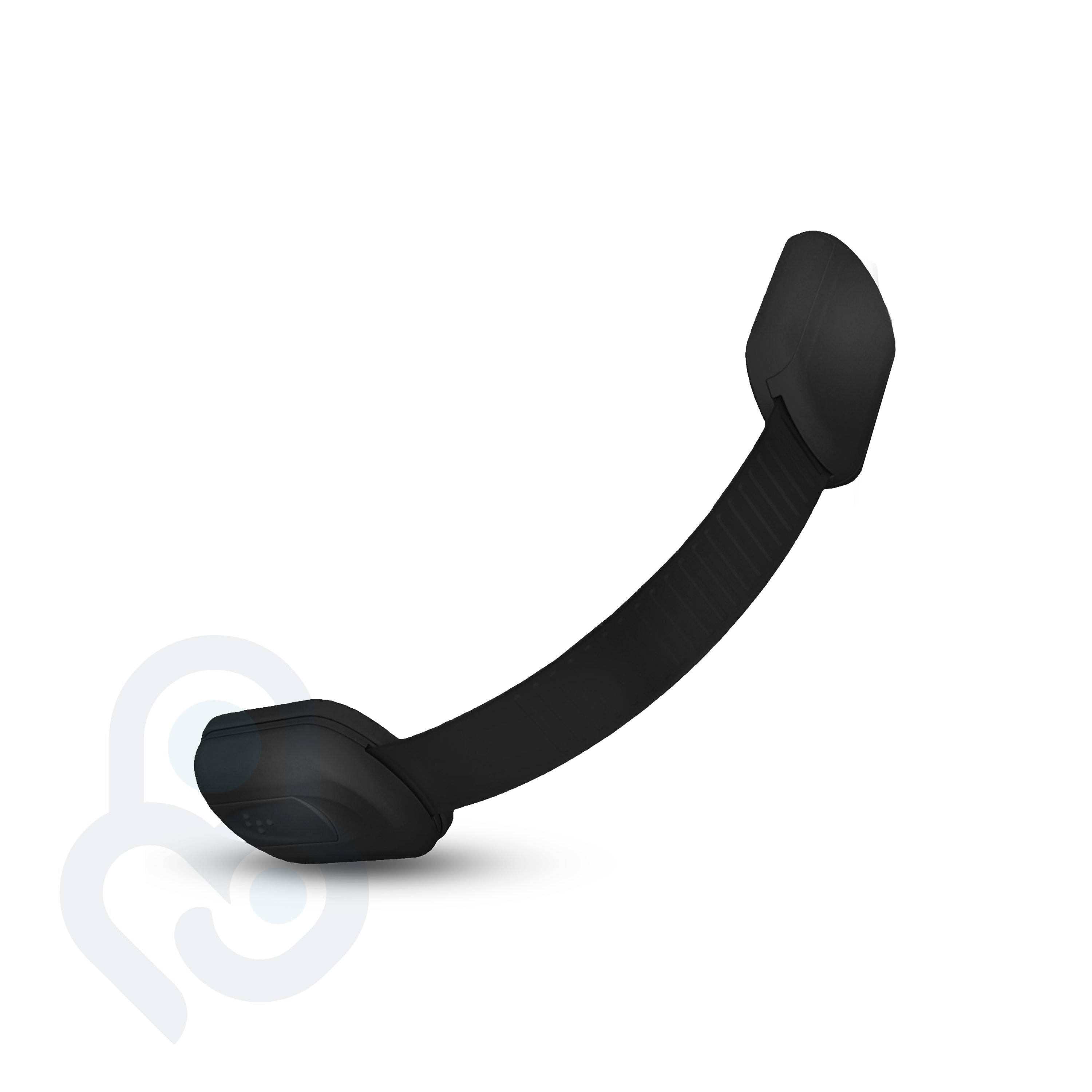
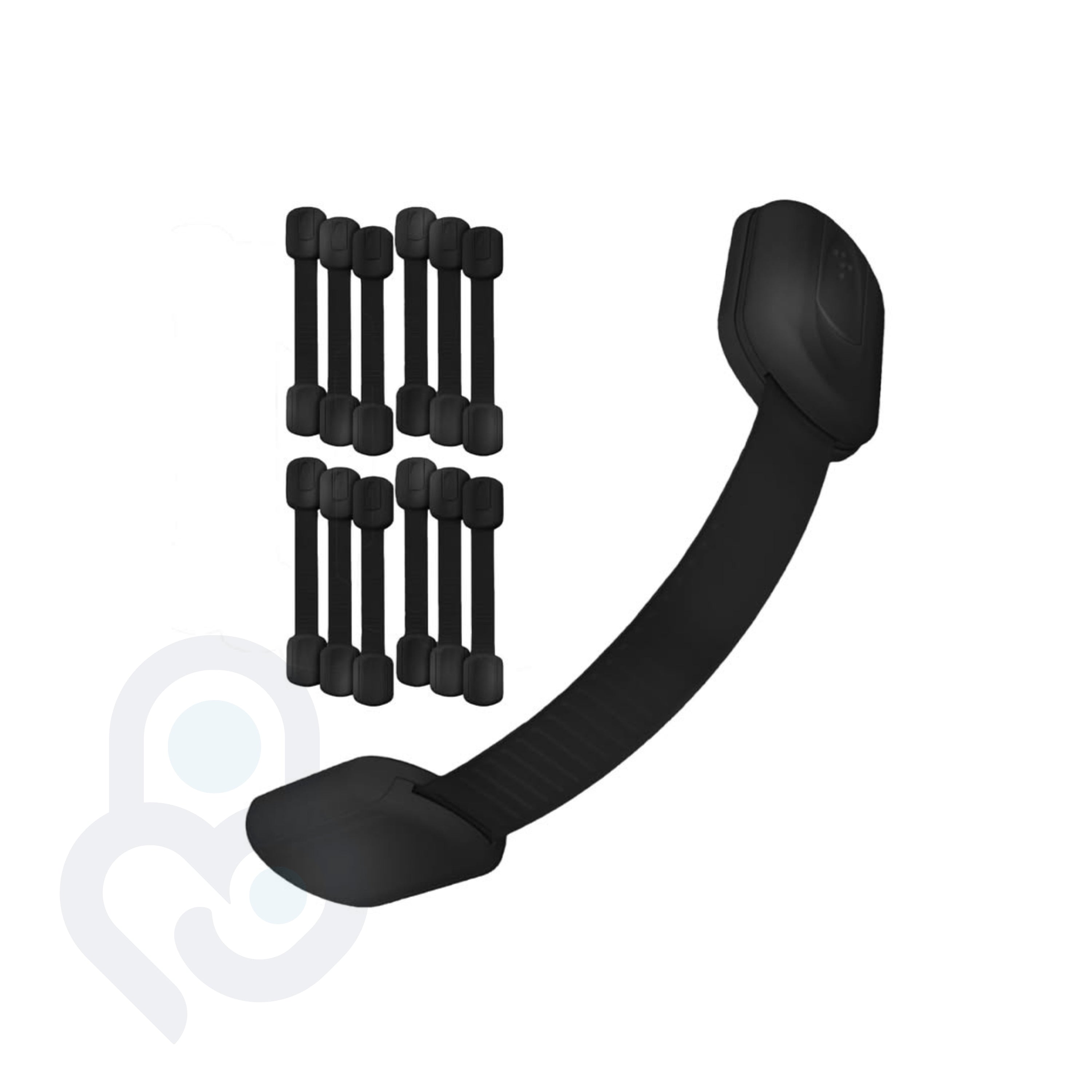
Baby Proof Me | Adjustable Black Safety Strap Lock
Read About Adhesive & No-Drill Cabinet Locks
Adhesive Cabinet Locks and No Drill Cabinet Safety
Adhesive cabinet locks provide a simple way to secure cabinets without drilling or permanent hardware. They are commonly used for childproofing, renter friendly cabinet safety, and situations where cabinet surfaces must remain undamaged. From adhesive magnetic cabinet locks to no drill cabinet locks with key access, these solutions balance safety with flexibility.
Types of Adhesive Cabinet Locks
Adhesive cabinet locks come in several designs, each suited to different cabinet styles and security needs.
Adhesive Magnetic Cabinet Locks
Adhesive magnetic cabinet locks use an internal latch that releases only when a magnetic key is placed on the outside of the cabinet door. The mechanism remains hidden inside the cabinet.
- Best for: child safety with a clean cabinet exterior
- Advantages: hidden installation and strong holding power
- Considerations: requires accurate alignment during setup
No Drill Cabinet Locks With Key
No drill cabinet locks with key access use adhesive mounting combined with a keyed locking mechanism. These are often chosen for cabinets containing sensitive or hazardous items.
Renter Friendly Cabinet Locks
Renter friendly cabinet locks focus on easy removal and surface protection. They are designed to detach cleanly when no longer needed.
Why Choose Adhesive Cabinet Locks
No Drilling Required
Adhesive cabinet locks eliminate the need for tools, screws, or permanent modifications, making them ideal for apartments and rental properties.
Surface Protection and Flexibility
- Preserves cabinet finishes
- Allows repositioning if cabinet layouts change
- Supports temporary or long term safety needs
How to Choose the Right Adhesive Cabinet Lock
Cabinet Style Compatibility
Cabinet door thickness, frame style, and surface material all affect which adhesive lock will work best.
Lock Strength and Security Level
Some cabinets require stronger adhesive locks, especially when doors are heavy or frequently opened.
Adhesive Quality and Longevity
High quality adhesive backing improves durability and reduces the chance of locks loosening over time.
The effectiveness of adhesive cabinet locks depends on surface preparation, correct alignment, and consistent daily use.
Installation, Use, and Maintenance
Surface Preparation
Clean cabinet surfaces thoroughly before installation. Removing grease, dust, and residue improves adhesive performance.
Installation Best Practices
- Test fit the lock before final placement
- Apply firm pressure during installation
- Allow adhesive to set before use
Removal and Cleanup
Most adhesive cabinet locks can be removed using gentle heat and slow peeling. Residue can often be cleaned with mild solutions.
Practical Guidance for Adhesive Cabinet Safety
Adhesive cabinet locks offer a flexible and damage free way to improve cabinet safety. By selecting locks that match cabinet design, installing them carefully, and maintaining them over time, renters and homeowners alike can create safer spaces without permanent changes.
Frequently Asked Questions About Adhesive Cabinet Locks
Are adhesive cabinet locks strong enough for child safety?
Yes. When installed on clean surfaces and used as directed, adhesive cabinet locks can provide reliable child resistance.
Can adhesive cabinet locks be removed without damage?
Most renter friendly locks are designed to be removable, though careful removal is recommended.
Do adhesive magnetic cabinet locks work as well as screw mounted ones?
Adhesive magnetic locks can be very effective, but proper alignment and adhesive quality are essential.
Are no drill cabinet locks with key secure?
Keyed adhesive locks offer added control for cabinets storing hazardous or sensitive items.
Where should adhesive cabinet locks be installed first?
Cabinets containing cleaning products, medications, or sharp tools should be prioritized.