
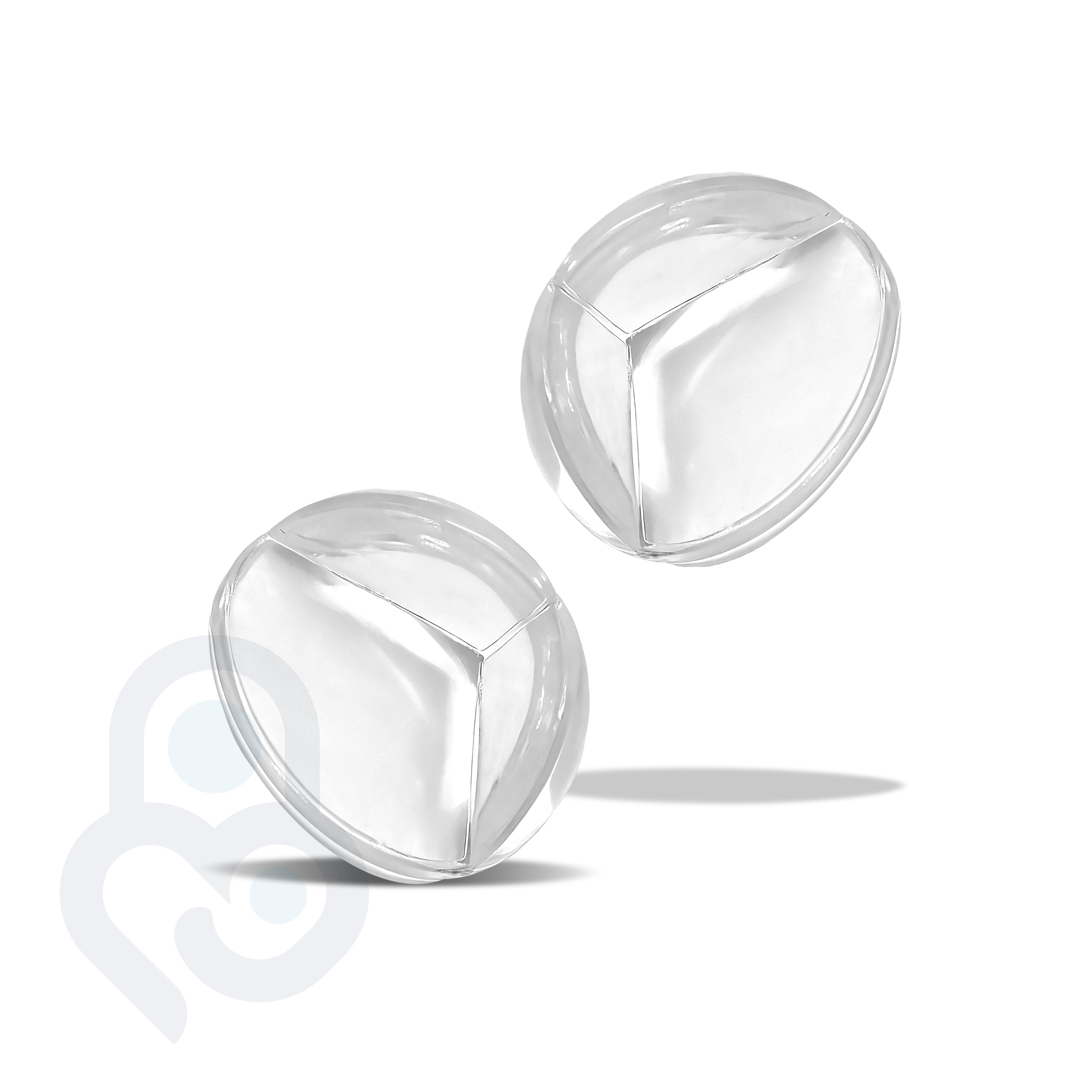


Read About Corner Protectors
Corner Covers: Safety, Protection, and Everyday Peace of Mind
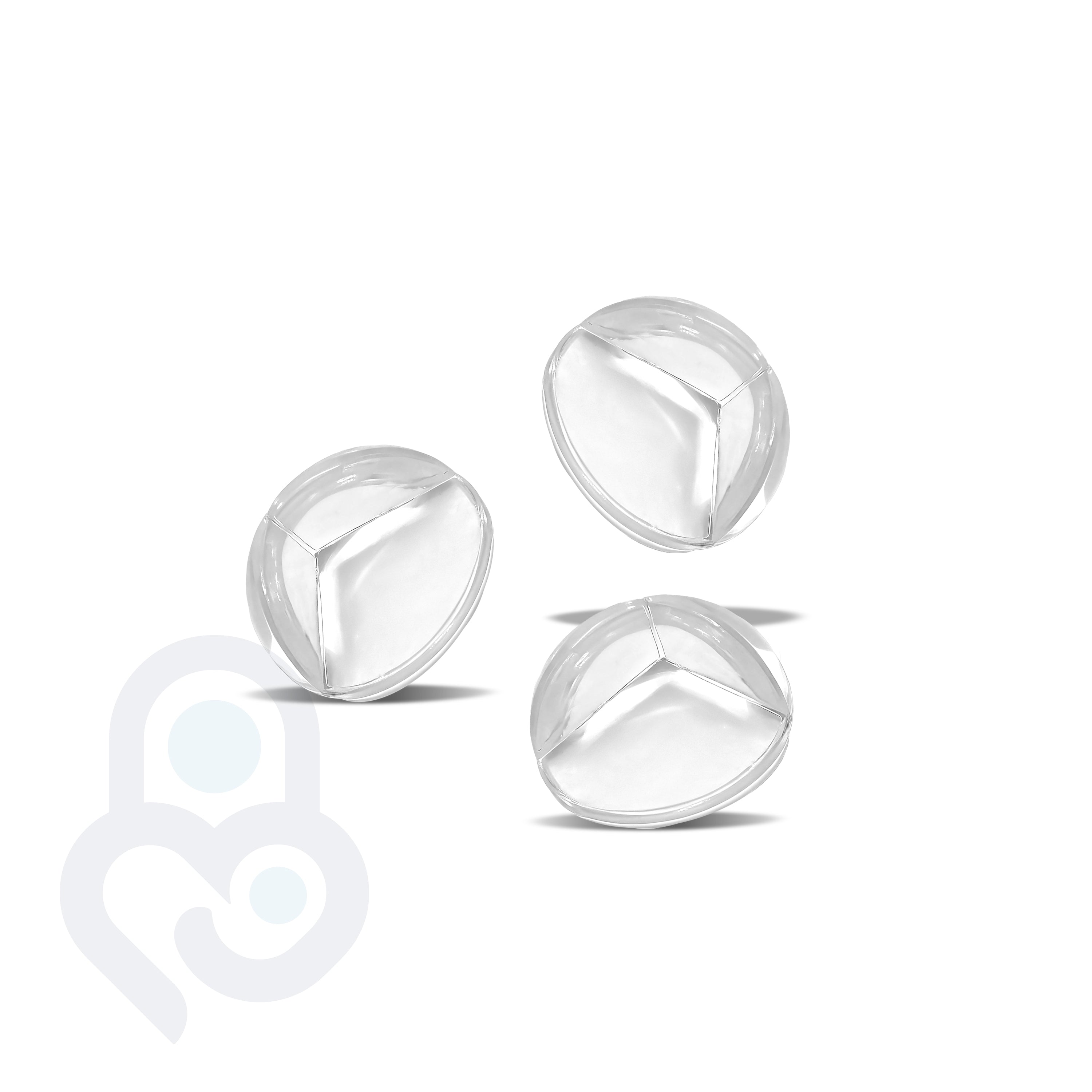
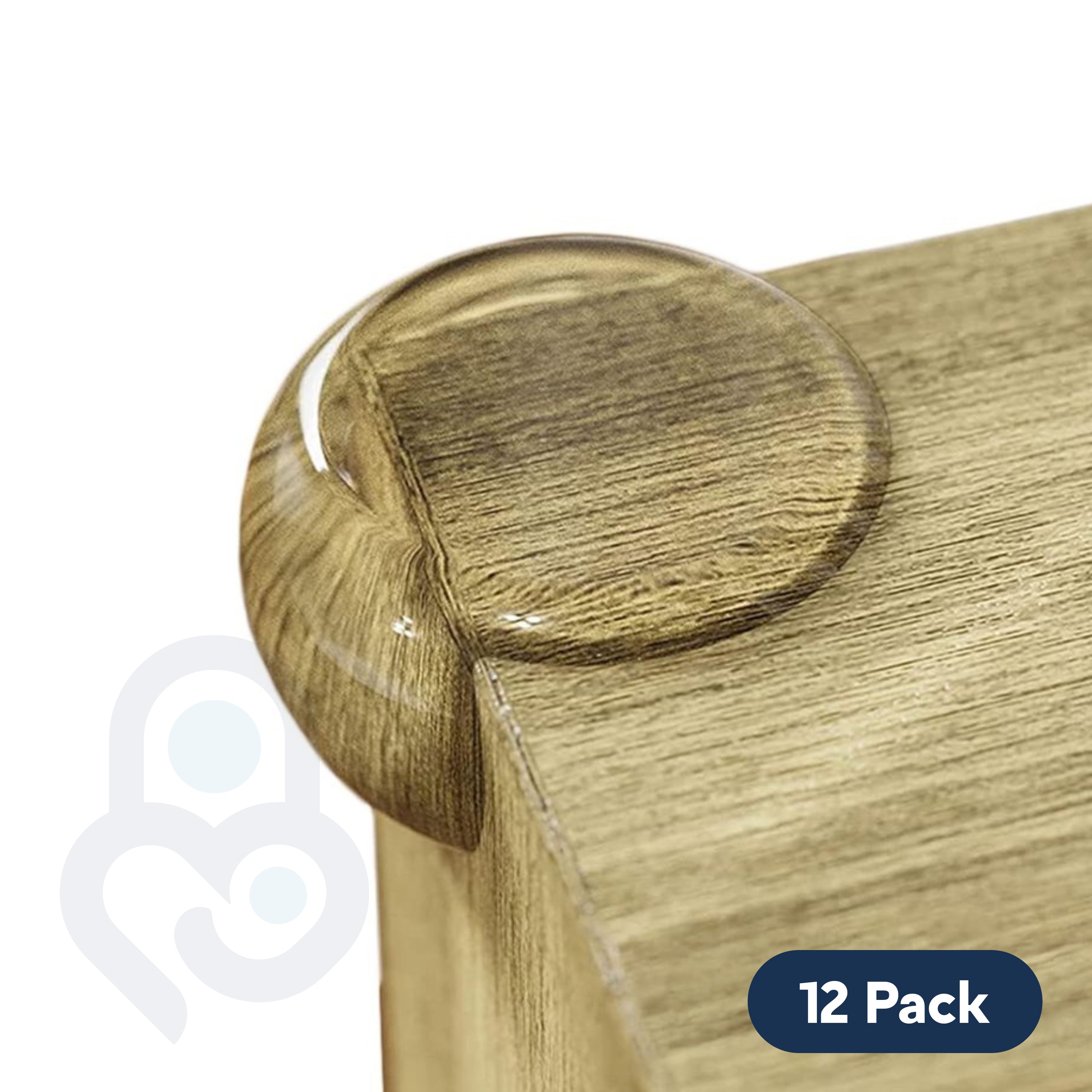
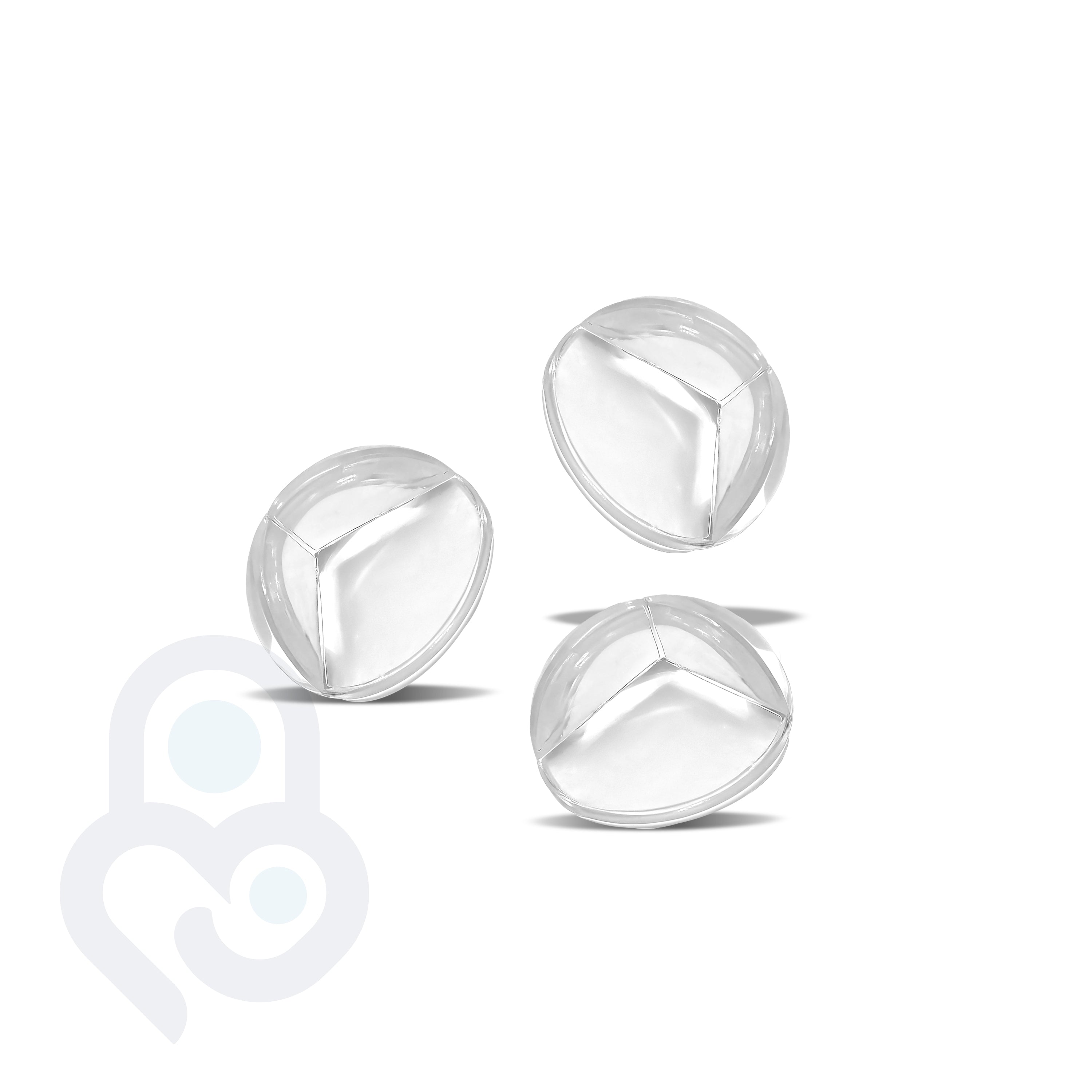
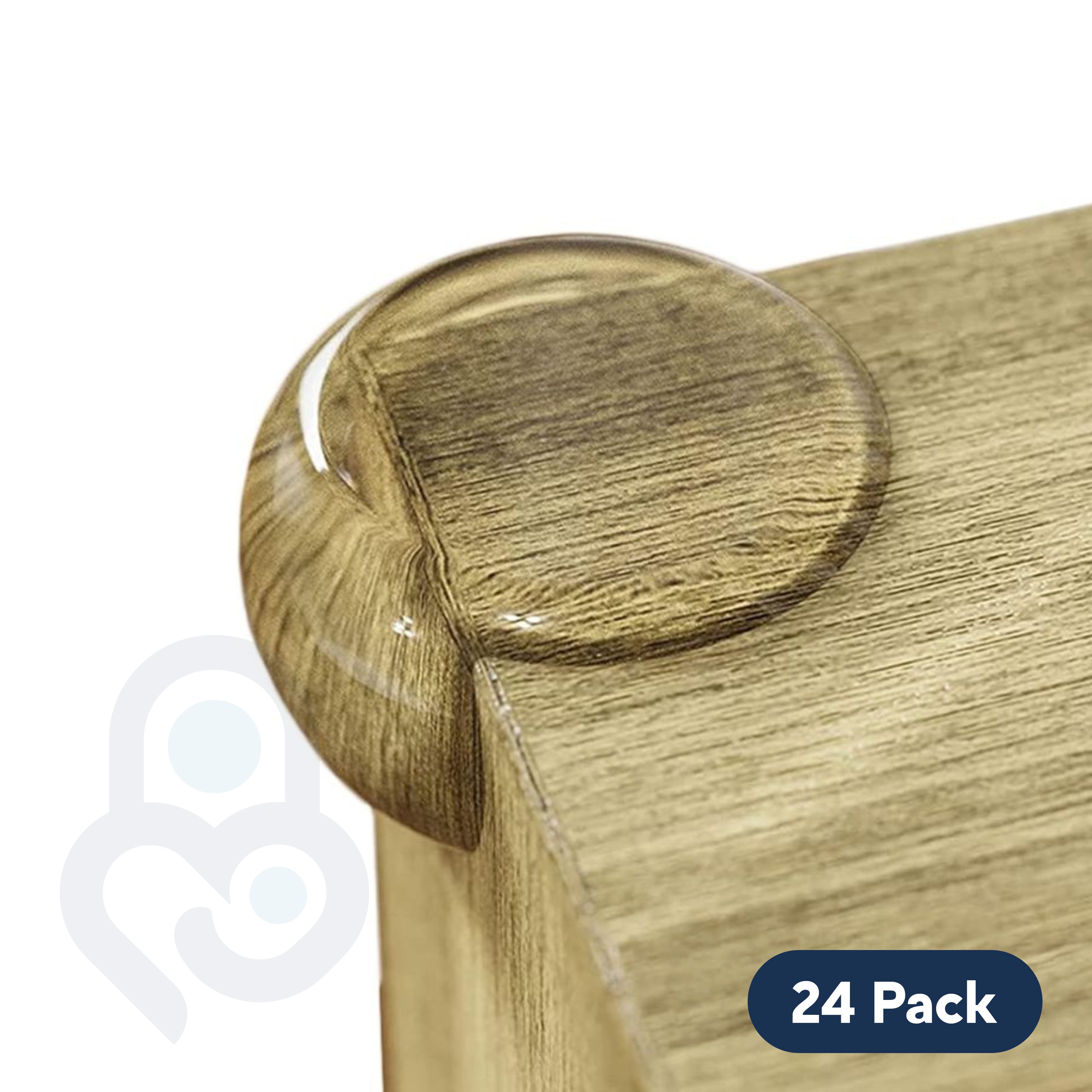
Corner covers, also known as safety corners, corner guards, or corner protectors, are designed to reduce injury risk from sharp or exposed corners. They help create safer environments by softening impact points on furniture, walls, and fixtures while protecting surfaces from damage.
Types of Corner Covers and Safety Corners
Corner protection products come in a wide range of shapes, materials, and sizes. Choosing the right type depends on the corner shape, surface material, and safety needs.
Rubber and Soft Safety Corner Protectors
Corner protector rubber and rubber safety corners provide flexible cushioning that absorbs impact and reduces injury severity.
- Best for: child safety and high contact areas
- Advantages: durable and effective impact absorption
- Considerations: thickness should match corner size
Round and Rounded Corner Protectors
Round corner protectors and corner guards for rounded corners are designed to fit curved or beveled edges where traditional square guards may not sit properly.
Decorative and Small Corner Covers
Corner guards decorative, small corner protectors, and corner savers balance protection with appearance, blending into furniture or interior design.
How to Choose the Right Corner Protection
Identify Sharp or Rounded Corner Risks
Look for sharp corner edges on tables, cabinets, counters, and walls. Sharp corner covers are especially important in tight or high traffic areas.
Define Your Safety Goals
- Preventing injuries from sharp edges
- Protecting furniture and finishes
- Improving overall home safety
Adhesive and Non Adhesive Options
Non adhesive corner protectors use tension or slip on designs, while adhesive options provide a more permanent hold. The right choice depends on surface type and whether protection is temporary.
Effective corner safety solutions fit securely, cushion impact, and match the corner shape without interfering with everyday use.
Installation and Everyday Care
Surface Preparation
Clean and dry the corner surface thoroughly before installation. Removing dust and residue improves adhesion and fit.
Installation Tips for Secure Fit
- Test fit before final placement
- Press firmly along all contact points
- Allow adhesives time to set if used
Maintenance and Cleaning
Corner covers can usually be wiped clean with a damp cloth. Inspect periodically to ensure they remain securely attached.
Where Corner Covers Are Most Useful
Homes With Children
Safety corner protectors help reduce injury risk for toddlers and children in living areas and bedrooms.
Furniture and Interior Edges
Protective corners help preserve furniture edges while preventing accidental bumps and bruises.
Shared and Public Spaces
In offices and shared environments, corner protection improves safety and reduces damage to fixtures.
Appearance, Fit, and Blending With Surfaces
Decorative Versus Discreet Corner Guards
Decorative corner covers add style, while clear or neutral options focus on subtle safety enhancement.
Common Fit Issues to Avoid
- Using square protectors on rounded corners
- Choosing sizes that are too large or too small
- Poor adhesion on textured surfaces
Practical Takeaways for Corner Safety
Corner covers provide a simple and effective way to improve safety and protect surfaces throughout homes and shared spaces. By selecting the right material, shape, and attachment method, you can reduce injury risk and maintain a clean and functional environment.
Frequently Asked Questions About Corner Covers
Do corner covers really improve safety?
Yes. Corner covers cushion impact and reduce the severity of injuries caused by sharp or hard edges.
Are rubber corner protectors better than hard plastic ones?
Rubber and soft protectors provide better impact absorption, while hard options focus more on surface protection.
Can corner covers be used on rounded corners?
Yes. Round corner protectors and guards designed for curved edges provide a better fit and improved safety.
Are non adhesive corner protectors secure?
When properly sized, non adhesive designs can stay in place, though they may require occasional adjustment.
How often should corner protectors be replaced?
Replace them if cushioning compresses, adhesion weakens, or visible wear reduces effectiveness.