Glass, Plastic or Silicone Baby Bottles: Heat, Microplastics, Breakage and Which to Choose
What the FDA, AAP and CDC say about BPA, heat, microplastics and breakage, and how to weigh glass, plastic and silicone bottles.

No bottle material wins on every count. MedlinePlus, from the NIH’s National Library of Medicine, lays out the trade-offs plainly. Glass bottles do not have BPA and are recyclable but can break if dropped. Plastic bottles are lightweight and will not break if dropped. Stainless steel bottles are sturdy and will not break but may cost more.
The comparison of glass vs plastic vs silicone baby bottles gets less tidy from there. The AAP’s heat cautions are aimed at plastic, and its plastics guidance does not address silicone.
Glass, Plastic, Silicone and Stainless Steel Side by Side
The table below lines up the four materials, source by source.
Four bottle materials, source by source
| Material | Heat | BPA and additives | Microplastics | Breakage |
|---|---|---|---|---|
| Glass | CDC: never microwave | MedlinePlus: no BPA | Not addressed | MedlinePlus: can break |
| Plastic | CDC, AAP: no microwave | AAP: BPA, phthalate concerns | 2020 study (polypropylene); 2022 follow-up | MedlinePlus: will not break if dropped |
| Silicone | CDC: never microwave | AAP: not addressed | Not addressed | Not addressed |
| Stainless steel | CDC: never microwave | AAP: alternative to plastic | Not addressed | MedlinePlus: will not break |
Read the table across a row, not down a column. Each material has a different mix of named strengths and named gaps, and no row is filled with good news only. The heat column is the one place every material gets the same answer, because the CDC’s never-microwave rule does not depend on what the bottle is made of. The CDC’s cleaning rule is the same for all four: bottles need to be clean and sanitized.
A "Not addressed" cell means the sources are silent, not that the material has been cleared.
Are Plastic Baby Bottles Safe? The FDA, the AAP and BPA Labels
Start with what the FDA did, because it can be misread. In July 2012, the FDA amended its regulations to no longer provide for BPA-based polycarbonate resins in baby bottles and sippy cups. In July 2013, it did the same for BPA-based epoxy coatings in infant formula packaging. Both amendments followed petitions showing those uses had been abandoned, and the FDA says an amendment based on abandonment "is not based on safety."
On its BPA food-contact page (content current as of April 2023), the FDA gives its current perspective. Based on its most recent safety assessment, the 2014 updated assessment, BPA is safe at the current levels occurring in foods. The FDA says it continues to review the available information and studies on BPA. It will update its assessment and take additional action if warranted.
The AAP, on HealthyChildren.org, says there are concerns about the possible harmful effects of BPA on humans, particularly infants and children. It notes that BPA acts as a weak estrogen in animals and perhaps in humans. It also flags phthalates, synthetic chemicals used in soft, flexible plastics. The FDA describes its review as ongoing, and the AAP lists its steps for parents "as research continues." Neither position is settled.
If you are weighing both pages, you will find two statements that sit side by side. The FDA gives its view of current levels in foods, and the AAP gives a list of precautions for families. You can read each on its own terms without forcing them into one verdict.
Those AAP steps include two label checks. Avoid clear plastic baby bottles or containers with the recycling number 7 and the letters "PC" imprinted on them, which may contain BPA, although newer bottles should be BPA-free. And consider certified or identified BPA-free plastic bottles.
MedlinePlus adds a buying rule. If you choose plastic, it is best to buy new bottles, because reused or hand-me-down bottles may contain BPA.


Are Plastic Baby Bottles Safe to Heat? The Microwave and Dishwasher Rules
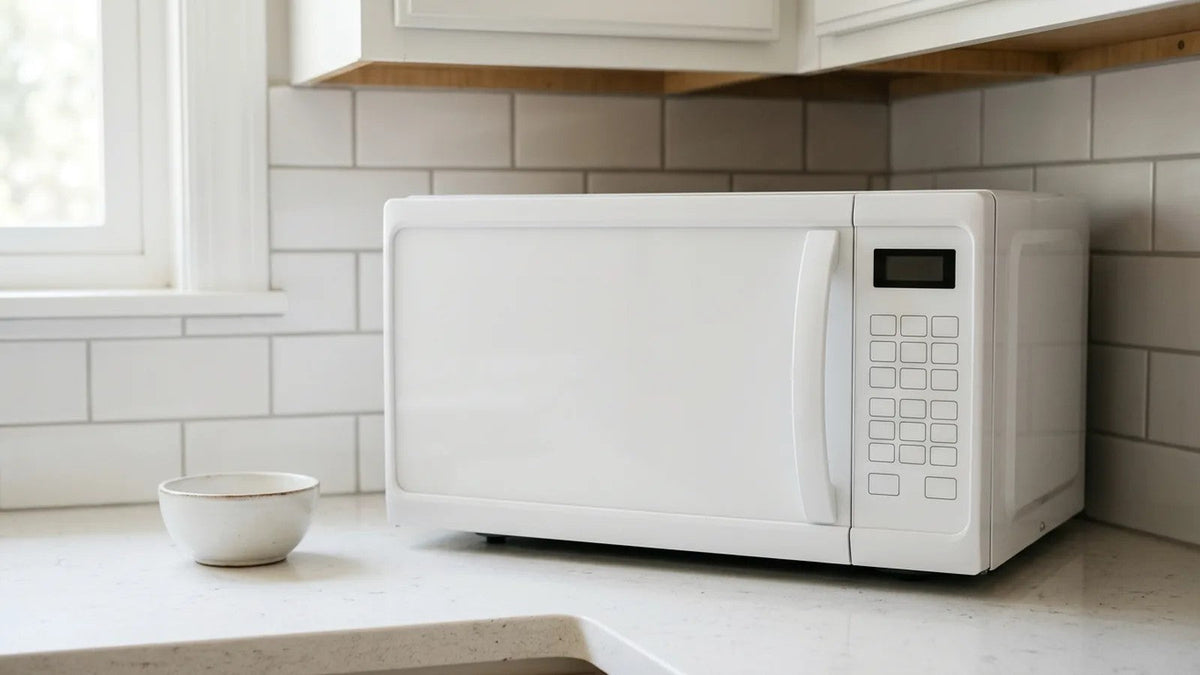
Picture this: it’s the middle of the night, the bottle is cold, and the microwave is two steps away. The CDC’s answer is short. Infant formula does not need to be warmed before feeding, and you should never use a microwave to warm it. Microwaves heat milk and food unevenly and create hot spots that can burn a baby’s mouth and throat. The CDC’s warning makes no exception for any bottle material, so glass, silicone and stainless steel are covered too.
The AAP adds a separate reason to keep plastic out of the microwave. On HealthyChildren.org, the AAP says heat may cause the release of BPA and phthalates from plastic. It lists two precautions: do not heat polycarbonate bottles or other plastic food containers in the microwave, and do not wash polycarbonate bottles in the dishwasher.
The AAP’s Plastic Additives guidance goes further. It advises avoiding microwaving food or drinks, including infant formula and pumped human milk, in plastic when possible. It also advises not putting plastic food containers or utensils in the dishwasher. These are the AAP’s plastic-additive precautions, not statements about glass, silicone or stainless steel bottles.
For plastic, then, two separate reasons point the same way. The CDC cites uneven heating and burns, and the AAP cites possible release of BPA and phthalates.
One mix-up is worth naming. The AAP’s heat advice is about plastic, but the CDC’s microwave rule is about every bottle. Switching to glass takes the bottle itself out of the AAP’s plastic concern, and it does not make the microwave acceptable under the CDC’s rule.
Glass vs Plastic Baby Bottles and Microplastics: Two Lab Studies and the FDA’s View
Two laboratory studies used the same method on baby bottles and reached different results.
A 2020 study in Nature Food, by Li and colleagues at Trinity College Dublin, reported that polypropylene baby bottles released microplastics during formula preparation. Sterilizing the bottles and exposing them to high-temperature water significantly increased the release. The authors called for urgent research into whether exposure at those levels poses a risk to infant health. The bottles it studied were polypropylene, and the findings say nothing about other materials.
In 2022, Gerhard and colleagues at the University of Münster tested seven bottles by the same method and published in Food Additives & Contaminants. Microplastics rose above the limit of detection in only one bottle. Those particles were not the bottle’s own material and were more likely contamination. The authors also said additives migrating from the plastic could produce false positive microplastic results. They said this calls for critical consideration when plastic has been heated.
Put the two side by side and the honest summary is modest. One study reported release from polypropylene bottles, and its own authors framed the health question as open. The follow-up found particles above the detection limit in one of seven bottles and attributed them to likely contamination. Neither study settles the question.
The FDA’s microplastics page covers foods in general and does not mention baby bottles. It says current scientific evidence does not demonstrate that the levels of microplastics or nanoplastics detected in foods pose a risk to human health. It also says scientists struggle to compare studies without standard, validated methods for sampling and detection, and that more research is needed to fill data gaps.
So what can a parent do? Concern about heat on plastic is never a reason to skip hygiene. The CDC says bottles need to be clean and sanitized. For parents who want less plastic, the AAP’s Plastic Additives guidance suggests alternatives such as glass or stainless steel, when possible. Parents thinking about plastic across the whole home may also want to look at eco-friendly baby-proofing.
Breakage and Wear: Glass, Sleeves and Damaged Bottles
Glass has a clear downside, and both sources name it. The AAP on HealthyChildren.org says glass bottles can be an alternative to plastic. It also warns of the risk of injury to you or your baby if the bottle is dropped or broken. MedlinePlus says glass bottles can break if dropped, while plastic bottles will not and stainless steel bottles are sturdy and will not break.
Picture this: you’re carrying a full bottle in one hand and a baby in the other arm, and your grip slips. With glass, that is the moment the AAP’s injury warning describes. With plastic or stainless steel, MedlinePlus says the bottle will not break. MedlinePlus also notes that some manufacturers sell plastic sleeves meant to keep glass bottles from breaking.
Wear matters for every material. MedlinePlus advises throwing out cracked or chipped bottles, which can pinch or cut you or your baby. It says the same for cracked or torn nipples, because small pieces of the nipple can come off and cause choking.
Silicone and Nipples: A Separate Material Choice
For silicone bottles, the sources are thin. Neither the AAP’s bottle page nor its plastic-additives guidance addresses them. The maker’s care instructions are your guide. The CDC’s rules apply as they do to any bottle: if you warm a bottle, never use a microwave, and bottles need to be clean and sanitized. A "microwave safe" label on a bottle does not override the CDC’s warning.
Picture this: a bottle’s packaging says it is microwave safe, and you are tempted to trust it. The CDC’s concern is not the bottle. It is the hot spots that microwaves create in the milk, which can burn a baby’s mouth and throat, so the label does not change the answer.
The nipple is a separate material choice from the bottle. The AAP’s Plastic Additives guidance says to make sure pacifiers and bottle nipples are phthalate- and BPA-free. MedlinePlus says nipples can be made from latex or silicone. Latex nipples are softer and more flexible, but some babies are sensitive to latex, and latex does not last as long as silicone. Silicone nipples last longer and tend to hold their shape better.
Baby Proof Me’s SkinSoft Silicone Nipples are a nipple, not a bottle. The product page describes a 2-pack of nipples made with silicone free from BPA.
Check bottle fit on the product page before you buy.

Which to Choose: A Decision Guide by Situation
The AAP’s HealthyChildren.org symptom checker for bottle-feeding questions says: "Any nipple/bottle products are fine." Use the situations below to match the bottle to your routine.
- If you warm bottles: the CDC says never use a microwave, whatever the bottle is made of. It also says formula does not need to be warmed. If you use plastic, the AAP advises avoiding microwaving drinks, including formula and pumped milk, in plastic when possible.
- If you run bottles through the dishwasher: the AAP’s plastic-additive cautions cover polycarbonate bottles and plastic food containers and utensils. Those cautions do not name glass, silicone or stainless steel.
- If drops are a worry: MedlinePlus says plastic bottles will not break if dropped and stainless steel bottles are sturdy and will not break. Glass can break, and the AAP warns of injury if it does.
- If you carry bottles out of the house: MedlinePlus calls plastic lightweight, and some makers sell plastic sleeves meant to keep glass bottles from breaking.
- If budget drives the choice: MedlinePlus notes that stainless steel bottles may cost more. Weigh that against the rest of your list, including newborn essentials on a budget.
- If you are buying plastic: MedlinePlus says to buy new bottles. Hand-me-downs may contain BPA. The AAP says to avoid clear plastic bottles marked with the number 7 and "PC," and to consider certified or identified BPA-free plastic.
- If you are considering silicone: follow the maker’s care instructions, along with the CDC’s never-microwave and clean-and-sanitized rules.
Whatever you pick, the checks that apply to every bottle are the same. The CDC says never to use a microwave to warm a bottle and that bottles need to be clean and sanitized, and MedlinePlus says to throw out any bottle that is cracked or chipped and any nipple that is cracked or torn.