When Can a Toddler Sleep With a Pillow?
The AAP’s no-pillow rule covers babies up to 1 year. Here is what the AAP, CDC and CPSC say, and what they leave to your pediatrician.

A relative hands you a spare pillow for your one-year-old’s crib and says every kid sleeps with one. You want a straight answer to one question: when can a toddler sleep with a pillow? You want it from a source you trust. Here is what the major pediatric and safety agencies say, and where their guidance stops.
When Can Baby Sleep With a Pillow? The Short Answer
For a baby under 1, the AAP’s answer is no pillow in the sleep space. The AAP’s parent guide tells you to be sure there are no blankets, pillows, stuffed toys or bumper pads in your baby’s bed. It also states that, unless mentioned otherwise, its recommendations are for babies up to 1 year of age.
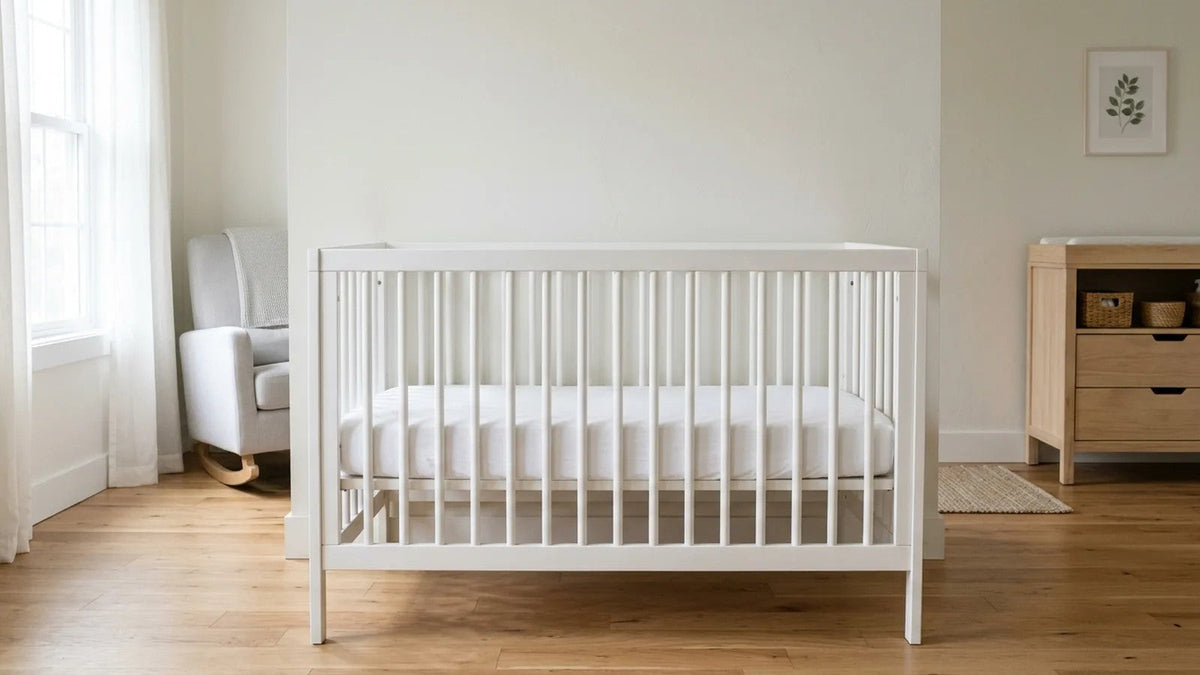
The AAP’s crib rule is short. Use a fitted sheet only, and put nothing else in the crib with your baby. A separate AAP article makes the same point: nothing but a snugly fitted sheet in the crib during the first year. A pillow, a lovey, a folded blanket and a bumper all fall under "nothing else."
A broader rundown of newborn safe sleep basics covers the rest of the AAP’s checklist, from sleep position to room setup.
When Can a Toddler Sleep With a Pillow? The Gap in the Guidance
This is the part parents want answered, and the guidance does not answer it. None of the AAP, CDC or CPSC pages reviewed for this article names an age at which a toddler may use a pillow. The AAP’s page on moving to a big-kid bed does not mention pillows at all.
That silence matters. The AAP’s pillow rule is written for infants. It does not say a pillow becomes acceptable on a child’s first birthday, and it does not set any later date either. Anyone who quotes you a specific "pillow age" and credits it to the AAP, CDC or CPSC is quoting something the agency pages reviewed here do not say.
So where does that leave you? The AAP’s big-kid-bed page says that if you have any questions about your child’s sleep space or routine, talk with their pediatrician. Your toddler’s pediatrician knows your child’s development, size and sleep habits, so ask them about pillow timing. Bring it up at the next well visit, or call the office sooner if the question is pressing.
Why Soft Bedding Stays Out of the Sleep Space
The AAP’s reasoning is direct. Soft objects and loose bedding can increase a baby’s risk of entrapment, suffocation or strangulation. For a parent who might fall asleep with the baby in the parent’s bed, the AAP also says to remove pillows, blankets and sheets that could cover a baby’s face, head or neck or lead to overheating.
Think about what that looks like in a crib. The AAP explains that a baby could roll into a pillow, blanket or soft toy, which could block their airflow.
The AAP’s article on sleeping sites repeats the point for cribs specifically: crib bumpers and pillows should be kept out of the crib.


What the CDC and CPSC Add
The CDC gives the same instruction in plain words. Keep soft bedding out of your baby’s sleep area, including blankets, pillows, bumper pads and soft toys. Use a firm, flat sleep surface that is not at an angle or inclined.
The CPSC lists "Don’t add pillows or blankets to your baby’s sleep space" among its safe sleep don’ts. It also notes that many young babies cannot lift their heads to pull away from soft objects that can pose a suffocation risk. That is the core problem the CPSC points to: a young baby may not be able to pull away from something soft.
The CDC also says to keep your baby’s sleep area in your room, ideally until your baby is at least 6 months old. The AAP says room sharing without bed sharing can decrease the risk of SIDS by as much as 50%. Both agencies mean a separate surface for the baby, like a crib or bassinet, in your room.
A safe nursery setup for sleep, from the mattress to where the crib sits, builds on these same points.
When Can a Toddler Sleep With a Pillow and Blanket? What the Infant Guidance Covers
Parents usually ask about the pillow and the blanket together, since they tend to arrive as a pair. The AAP’s infant guidance covers both. It says no blankets or pillows in the baby’s bed.
The AAP goes further on weight. It says not to use weighted blankets, sleepers, swaddles or other weighted objects on or near your baby.
On a cool night, you might be tempted to tuck a fleece throw around your 10-month-old. The AAP’s guidance points the other way. A loose throw is a blanket, and the AAP says no blankets in the baby’s bed.
Sleep sacks versus blankets is a separate question, and it deserves its own read before you choose.
As with pillows, none of the reviewed AAP, CDC or CPSC pages names an age when a toddler may add a blanket. The AAP’s recommendations are for babies up to 1 year of age. Beyond that, your pediatrician is the right person to ask.
The Number Behind the Rule
The AAP states that every year, around 3,500 babies in the United States die suddenly and unexpectedly while they’re sleeping. It says most of these deaths are due to sudden infant death syndrome (SIDS) or accidental deaths from suffocation or strangulation.
This is a figure about babies, not toddlers. It describes the age group the AAP’s sleep recommendations are written for, and it explains why the guidance is so strict.
The figure also covers sleep-related deaths broadly. Not all of them are SIDS, and not all are linked to bedding. That is why the AAP’s advice has several parts: a bare sleep surface, back sleeping, a firm and flat mattress, and a baby’s sleep space in your room. Soft bedding is one piece of that list.
Research on SIDS keeps developing, and current SIDS research can help you follow the changes.
Your Child’s Sleep Space Changes as They Grow
A crib that suited a newborn needs changes as your baby moves. The AAP says that by the time your baby can sit or stand up, you will want to lower the crib mattress accordingly. The AAP notes that lowering the mattress as your baby gets taller makes it more difficult for them to climb out.
When your 9-month-old pulls up on the crib rail for the first time, that is your cue to check the mattress height, not to add anything soft to the crib. Lowering the mattress and keeping the crib bare are separate jobs, and the AAP asks you to do both.
Lowering the mattress belongs on a nursery baby-proofing guide, along with furniture anchoring and cord safety.
What to Do Next
For a baby under 1, the AAP’s answer is clear. Follow the AAP: a fitted sheet only, with no pillows, blankets, stuffed toys or bumper pads. The CDC and CPSC say the same.
For a toddler, you have a question the agency pages reviewed here do not answer with an age. You can still act on it:
- Keep the infant rules in place through the first year. The AAP’s recommendations are written for babies up to 1 year of age.
- Check the source of any pillow age you hear from friends, relatives or online. None of the AAP, CDC or CPSC pages reviewed names one.
- Ask your child’s pediatrician. They know your child and can answer questions about the sleep space.
- Reread the AAP’s HealthyChildren.org pages if you are unsure how the infant guidance applies to your child.
Write your questions down before the visit, and ask the pediatrician about your child’s pillow and blanket timing.